
.svg)
Sapphires have occupied a rare position in the world of fine jewelry for centuries. Their extraordinary color, durability, and scarcity have made them favorites of royalty, collectors, and the world's great jewelry houses. Today, exceptional natural sapphires continue to command serious attention in the estate and auction markets, particularly when a stone combines desirable color and size with an important geographic origin and no evidence of heat treatment.
Those distinctions are essential for jewelry collectors: Two blue sapphires that appear similar at first glance can have dramatically different histories and market values. A sapphire's origin, color, treatment status, carat weight, quality, provenance, and setting can all influence how collectors and buyers assess it.
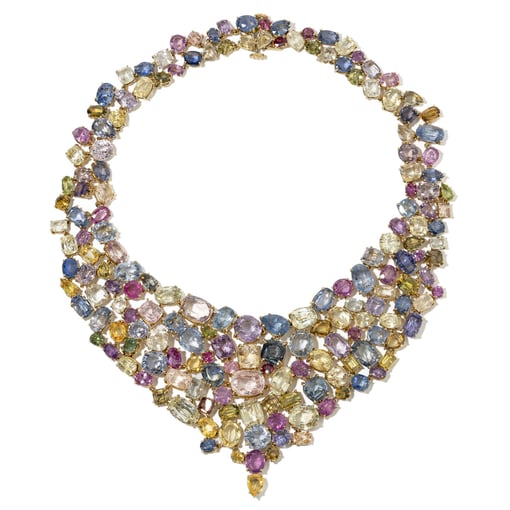
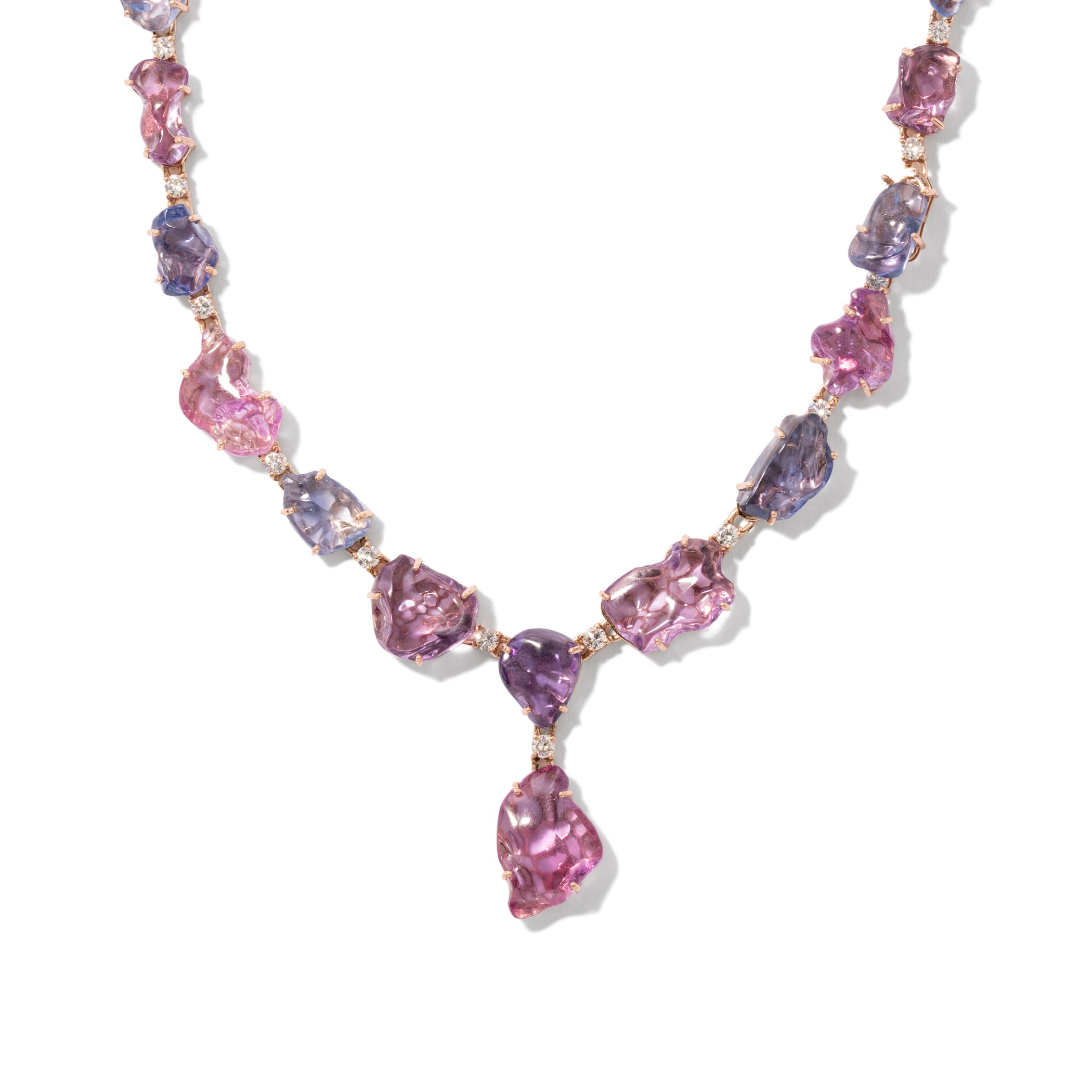
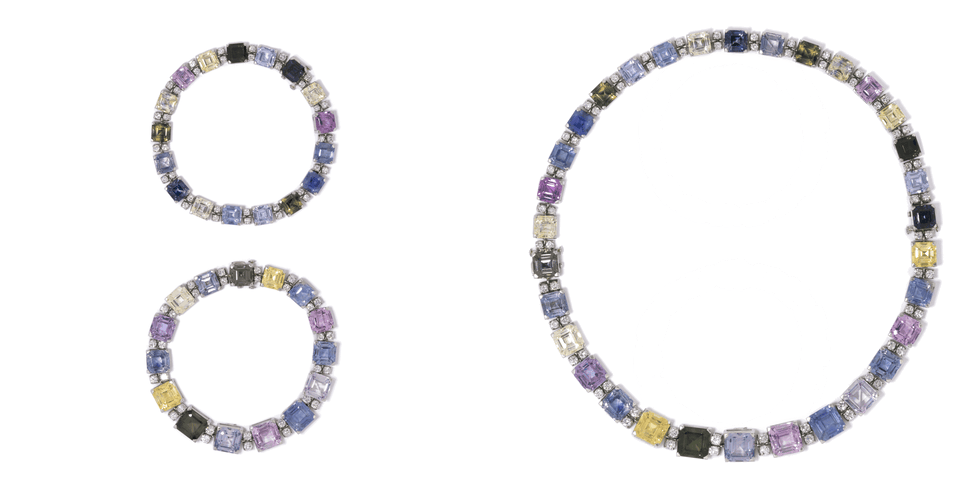
David Webb rainbow sapphire necklace
The Celestial Fire of Corundum
The Mineralogical Marvel
Sapphire belongs to the mineral species corundum, an aluminum oxide (Al₂O₃) prized for both beauty and exceptional durability. At 9 on the Mohs scale of hardness, corundum ranks second only to diamond, making sapphire exceptionally well suited for jewelry designed to endure for generations.
Sapphire also shares its mineral identity with another celebrated gemstone: ruby. Ruby and sapphire are both varieties of corundum; their distinction comes primarily from color, created by trace elements incorporated into the crystal structure as the gemstone forms. Chromium primarily causes ruby's red, while iron and titanium contribute to sapphire's blue. In gemological terminology, red gem-quality corundum is classified as ruby, blue corundum as sapphire, and gem-quality corundum in all other colors except red as fancy sapphire. But if you want to be sure you read that right, yes - ruby is essentially a red sapphire (and blue is essentially a blue ruby)!
The Chromatic Spectrum
Although deep blue remains the color most closely associated with sapphire, the corundum family extends across a remarkable spectrum. Pure corundum is colorless, but the presence of trace elements such as iron, titanium, chromium, and vanadium can transform it into shades of pink, violet, yellow, orange, green, and other “fancy” hues.
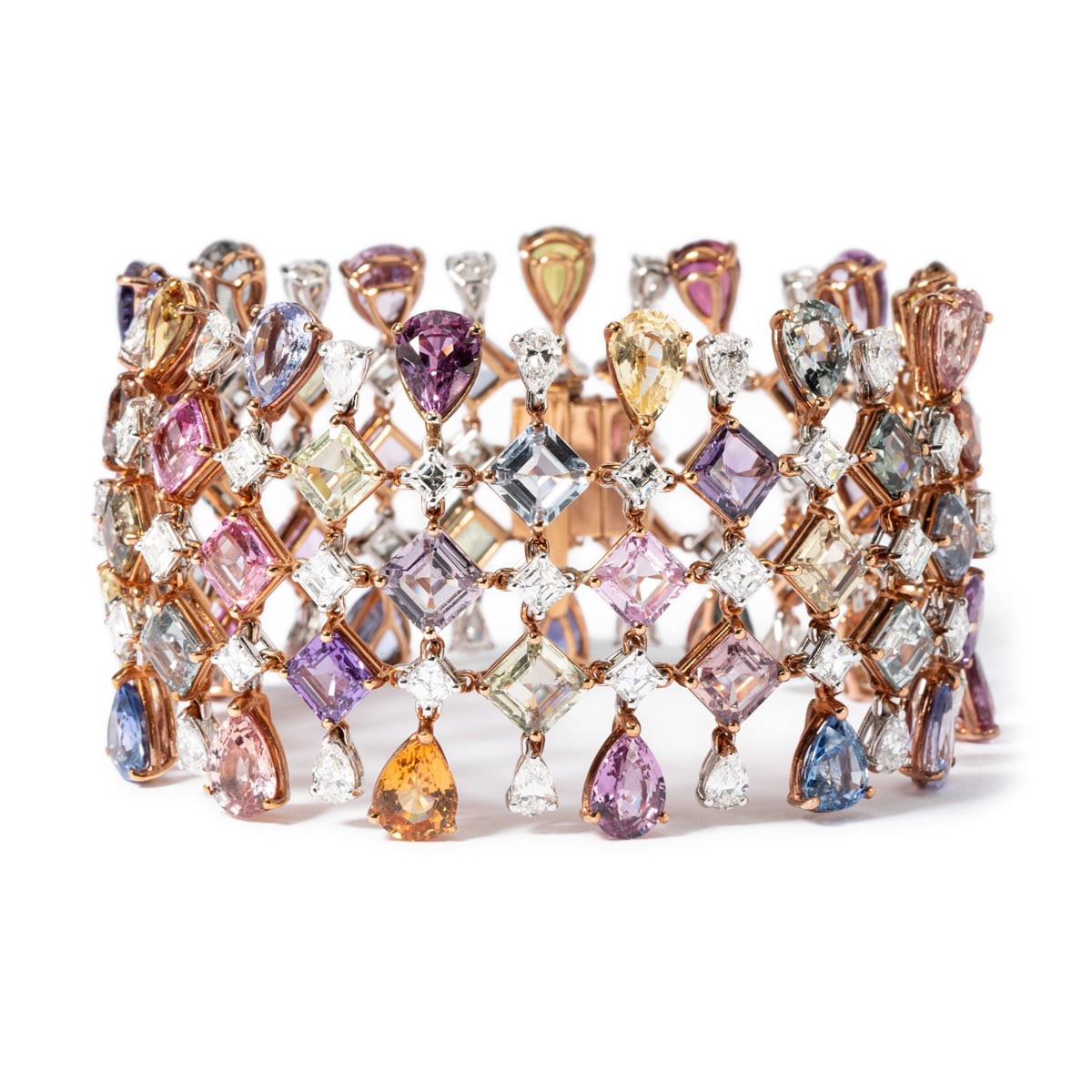
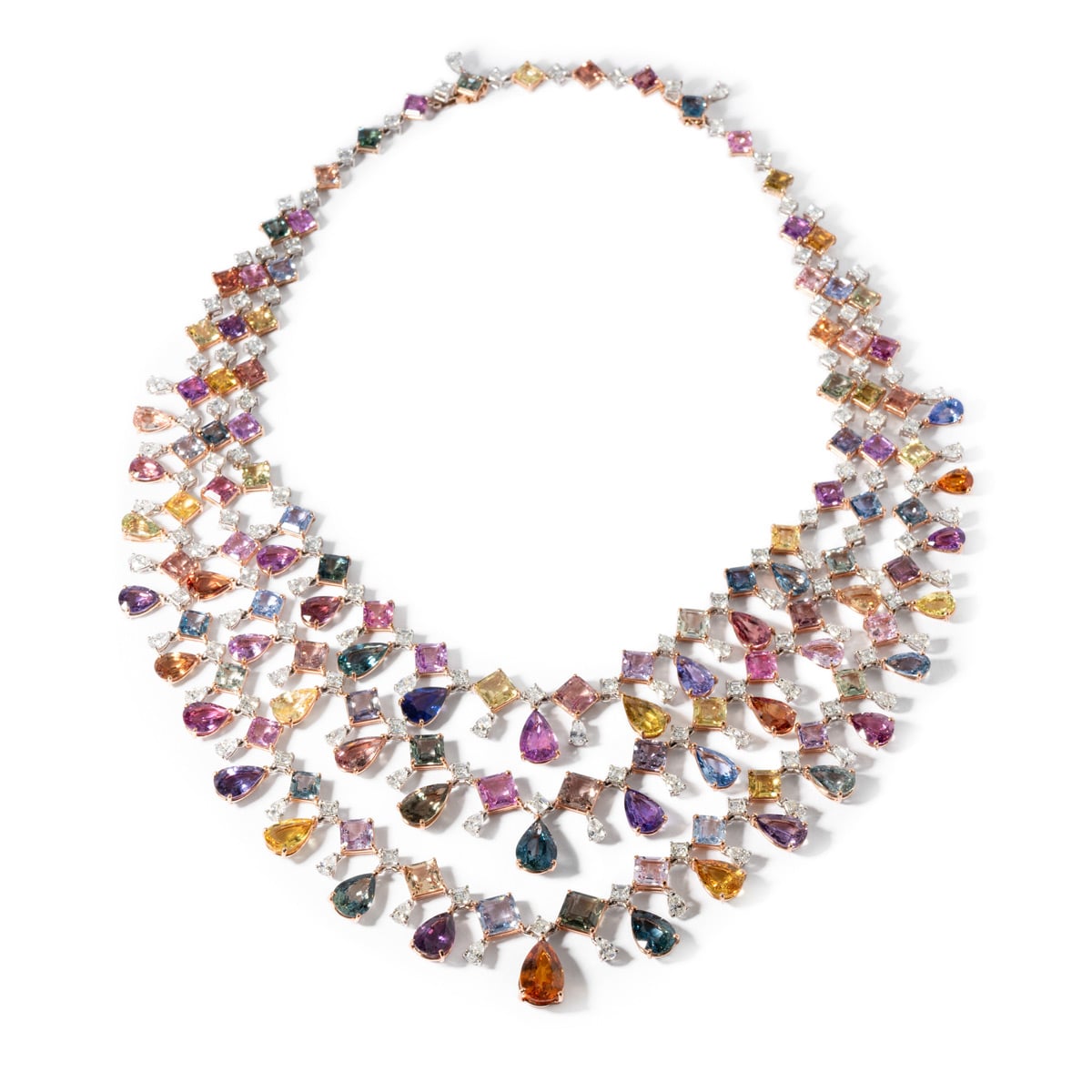
These fancy sapphires demonstrate just how diverse a single mineral can be. Some stones display more than one color within the same crystal, while others can appear to change color under different lighting conditions. Among the rarest is padparadscha, a celebrated sapphire variety distinguished by its delicate pink-and-orange combination.
The Estate Context
Exceptional sapphires have passed through royal collections, major jewelry houses, private estates, and international auction rooms for generations. Today, fine natural sapphires remain highly sought after, particularly when desirable color and substantial size are accompanied by an important geographic origin and confirmation that the stone has not undergone heat treatment. The sapphire trade has long used heating to improve color or clarity, and it is widely accepted when properly disclosed. However, a fine natural sapphire with no indications of heating is considerably rarer.
This distinction can matter especially for someone who has inherited or owns sapphire jewelry. An older ring, brooch, necklace, or loose gemstone may never have undergone modern laboratory analysis, and appearance alone cannot reliably determine characteristics such as geographic origin and treatment history. Identifying those factors can reveal that a familiar piece of jewelry is far more significant than its owner realized and, thus, holds more value in today’s market.
The Holy Trinity of Blue: Kashmir, Burma and Ceylon
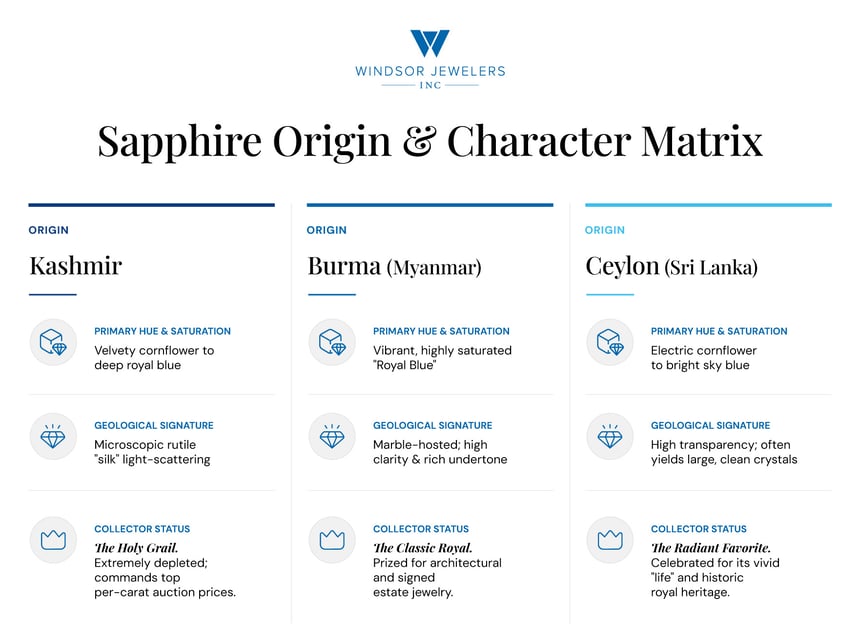
Among blue sapphires, three historic origins have achieved legendary status: Kashmir, Burma (Myanmar), and Ceylon (Sri Lanka). Each is associated with certain visual and gemological characteristics, but these descriptions should never be treated as identification tests. Sapphires from different deposits can look similar, so laboratory analysis is essential when determining the origin of an important stone.
Kashmir Sapphires: The Velvety Legend
Kashmir has earned legendary status in the sapphire market for producing some of the rarest and most coveted blue sapphires in the world. The celebrated deposits were discovered in the early 1880s after a landslide exposed sapphire-bearing material high in the Himalayas in the remote Paddar region. The richest period of production was remarkably brief, with the historic mines yielding their most important material during a single decade (1881–1887). That limited supply helped turn Kashmir sapphires into some of the world's most sought-after colored gemstones.
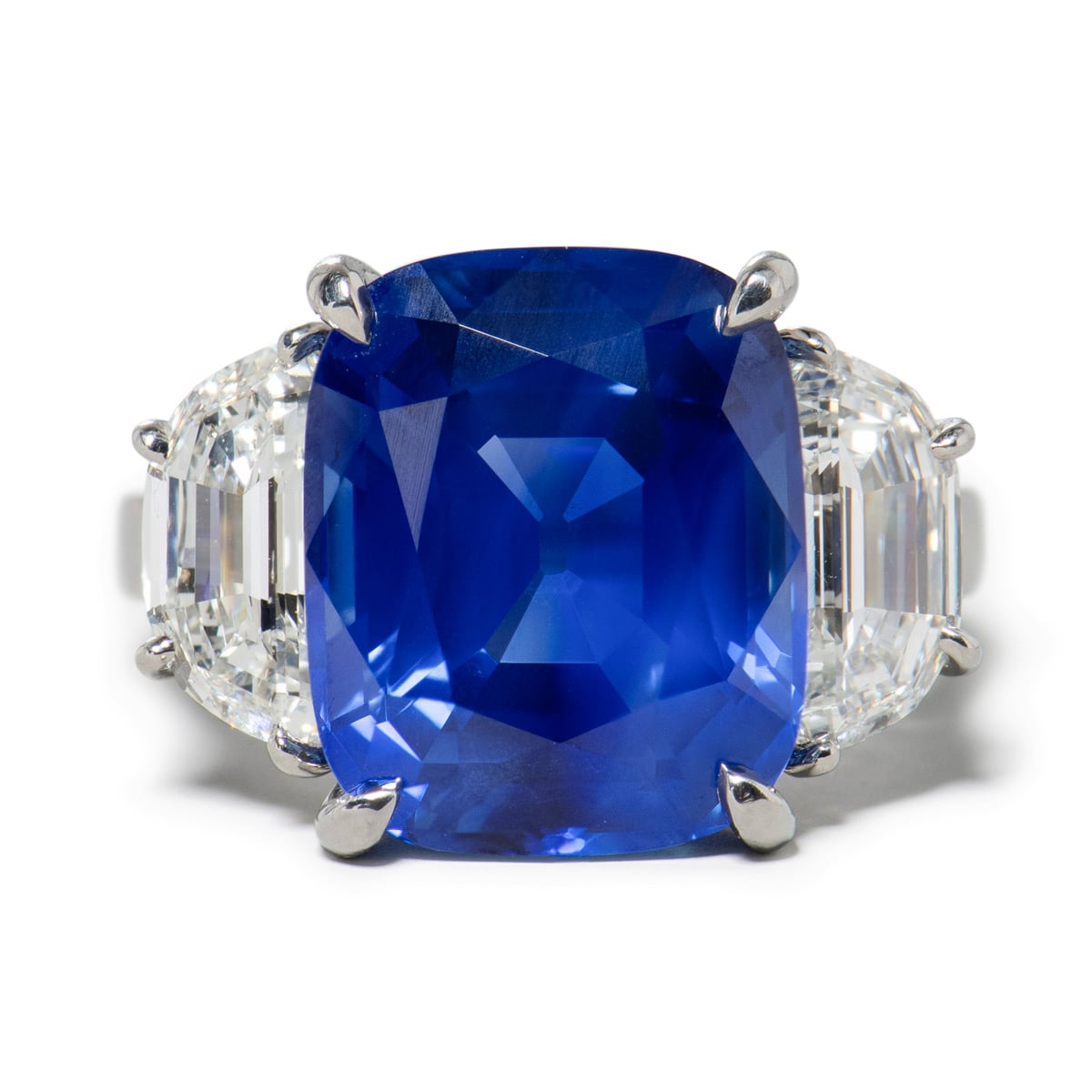
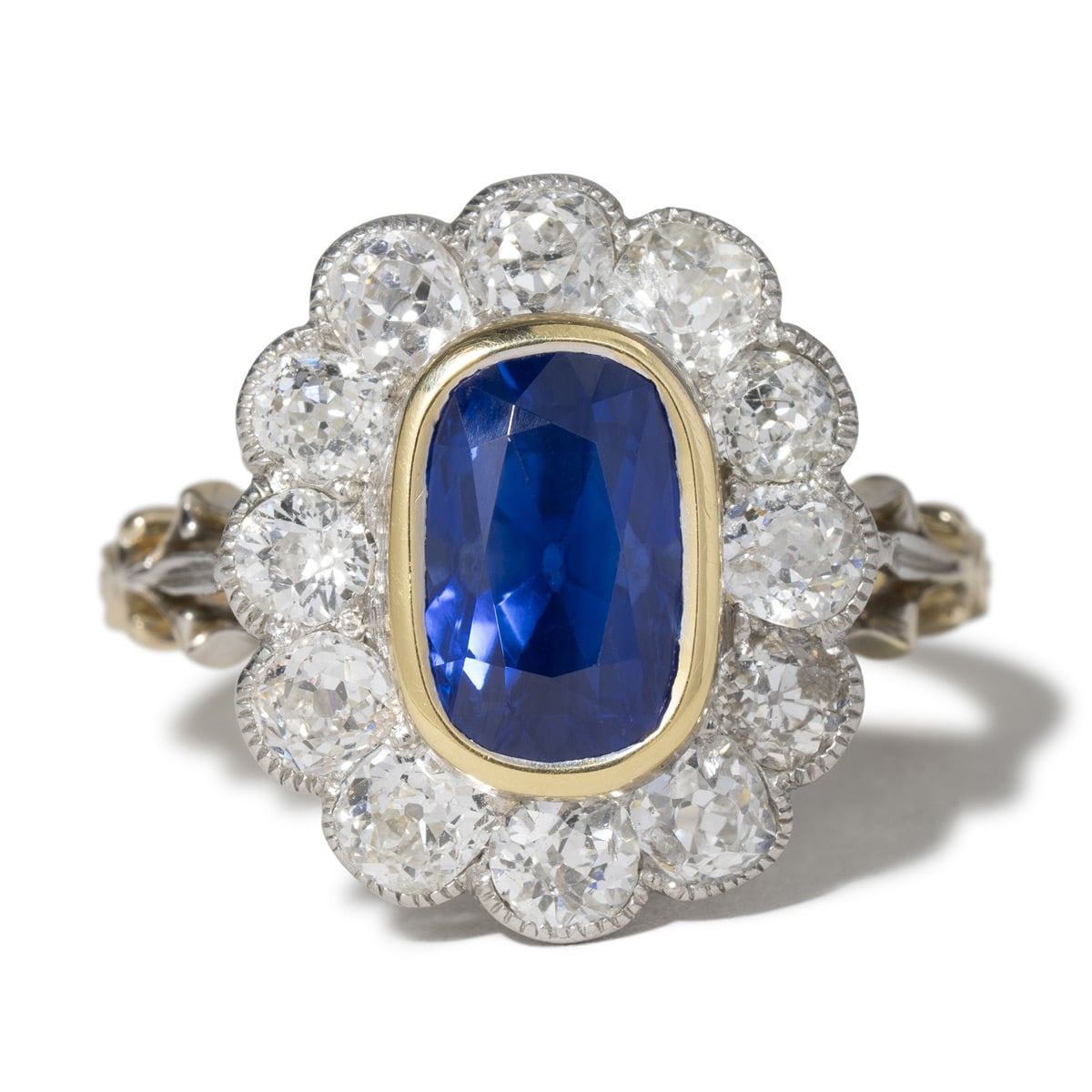
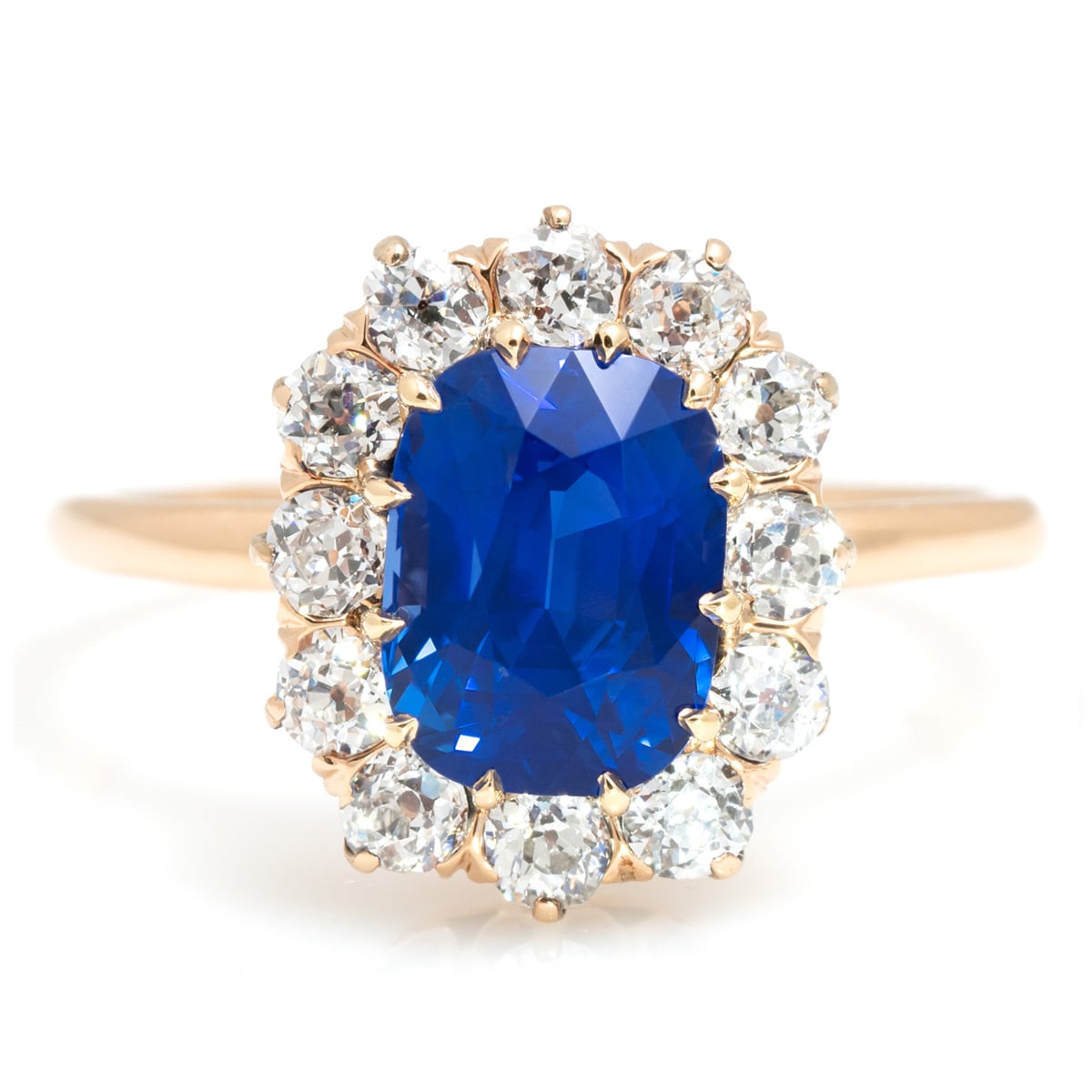
The finest examples are celebrated for a soft, velvety blue that can range from cornflower to rich royal blue. Microscopic inclusions, including fine particles and rutile silk, can scatter light within the stone, contributing to the distinctive visual texture associated with classic Kashmir material. Rather than appearing simply dark or intensely saturated, an exceptional Kashmir sapphire can possess a rich blue color that seems to glow from within.
Today, confirmed Kashmir origin can carry an extraordinary price-per-carat premium. Because historic production was so limited, significant unheated Kashmir sapphires rarely appear on the market, and exceptional examples can become international auction events.
Burmese Sapphires: The Royal Saturated Fire
Burma, now Myanmar, is another of the great historic sources of gem-quality corundum. While the country may be best known for its extraordinary rubies, Burmese sapphires have developed an equally distinguished reputation among serious collectors.
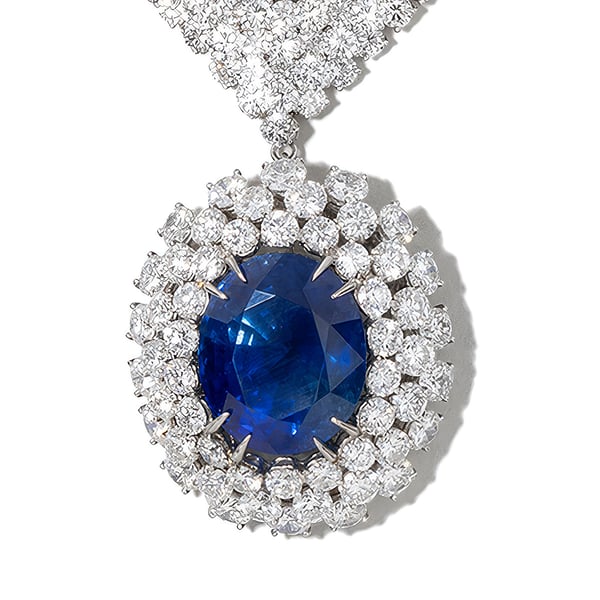
Harry Winston Burma no heat blue sapphire necklace
Fine Burmese sapphires are often characterized by intense saturation and rich blue color, with exceptional stones combining vivid royal-blue hues with impressive transparency. Historically, important material has come from the Mogok region, whose metamorphic geology has produced exceptional rubies and sapphires for centuries.
Burmese sapphires also have an important place in historic high jewelry. Fine examples have appeared in significant 20th-century pieces created by renowned European jewelry houses, including Cartier and Van Cleef & Arpels.
Ceylon Sapphires: The Radiant Luminary
Sri Lanka, historically known as Ceylon, possesses one of the world's oldest gemstone traditions. Sapphires have been recovered from the island for centuries, and Sri Lanka remains one of the world's most important sources of gem-quality corundum.
Ceylon sapphires are often associated with brighter, more open blue tones and exceptional transparency; beautiful blues with the ability to reflect and transmit light. That combination can give exceptional Ceylon sapphires the vivid "life" they are prized for.
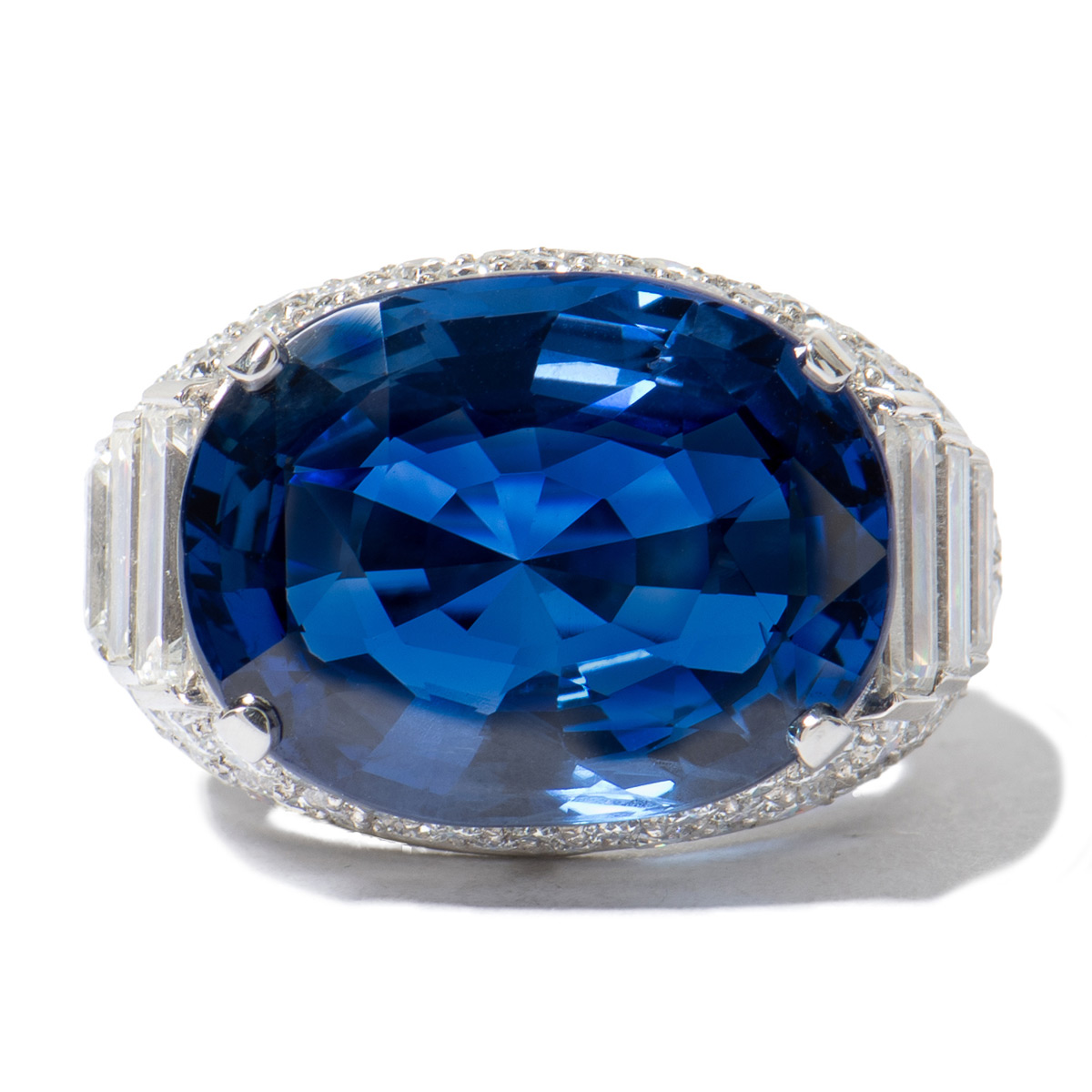
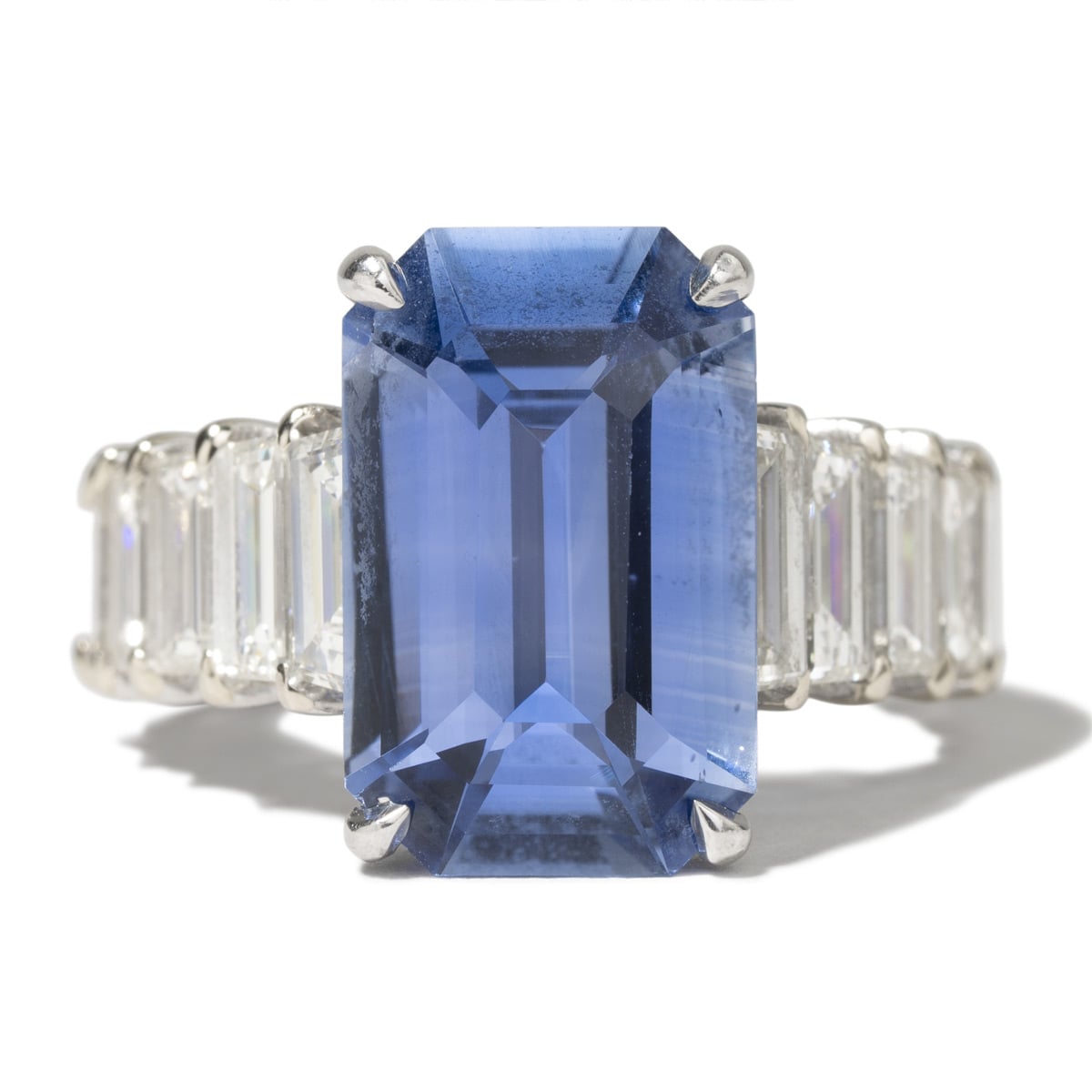
Sri Lanka is also famous for producing unusually large gem-quality sapphire crystals. Although large size alone does not determine value, substantial unheated Ceylon sapphires with even color, strong saturation, excellent transparency, and attractive cutting can be exceptionally rare.
This combination of beauty and potential size has placed Ceylon sapphires in royal collections, museums, major private collections, and major auction houses worldwide.
Beyond Blue: The "Fancy" Rainbow of Sapphires
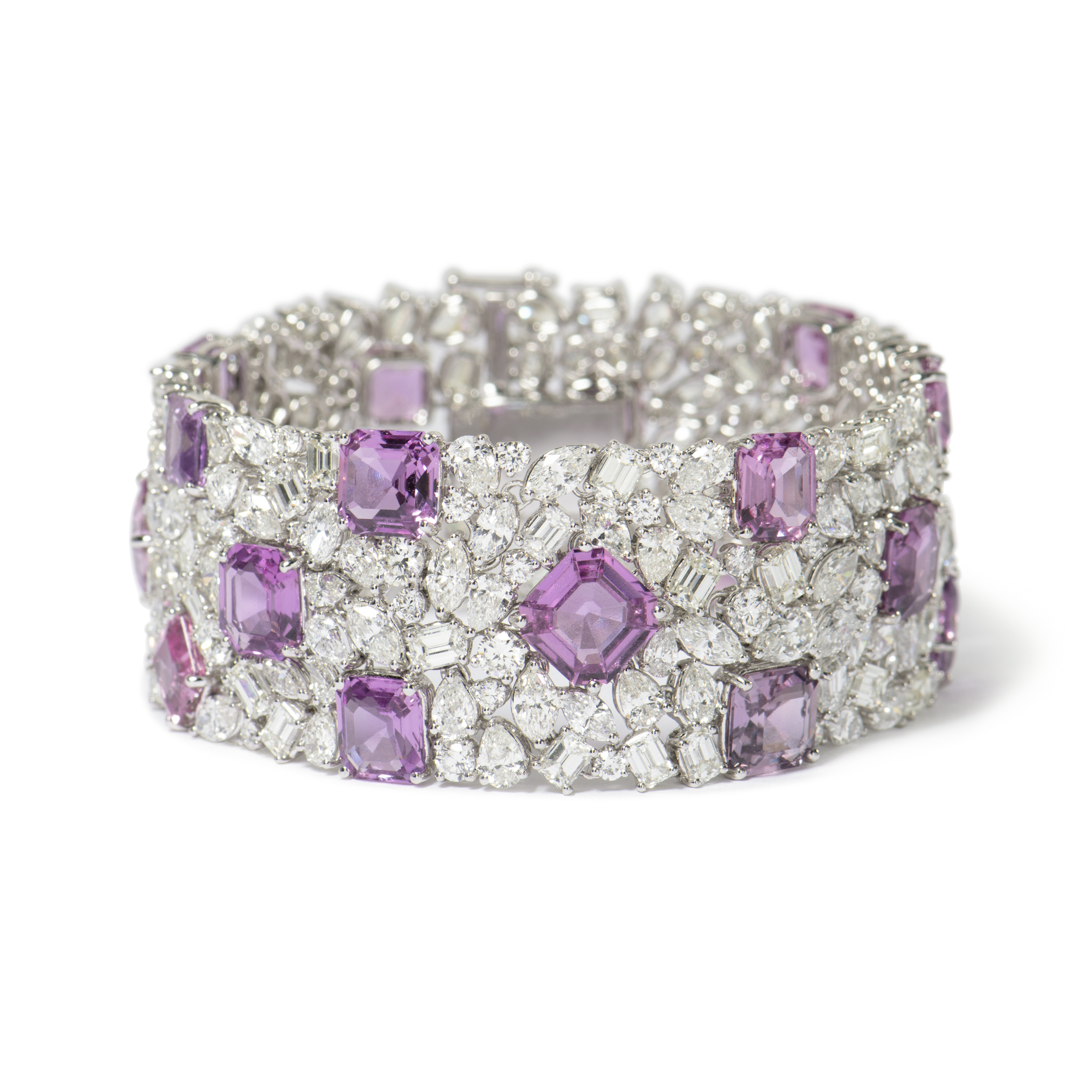
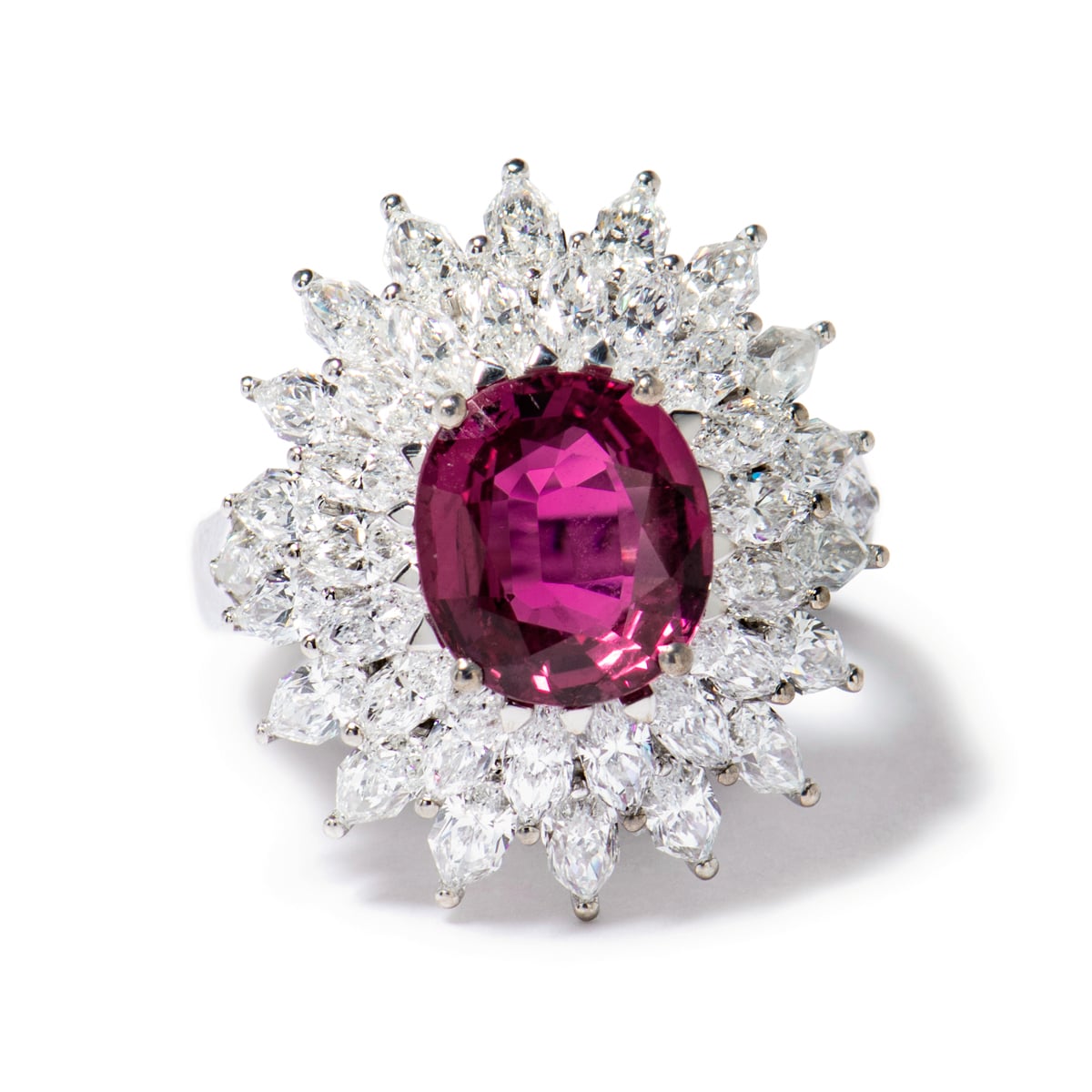
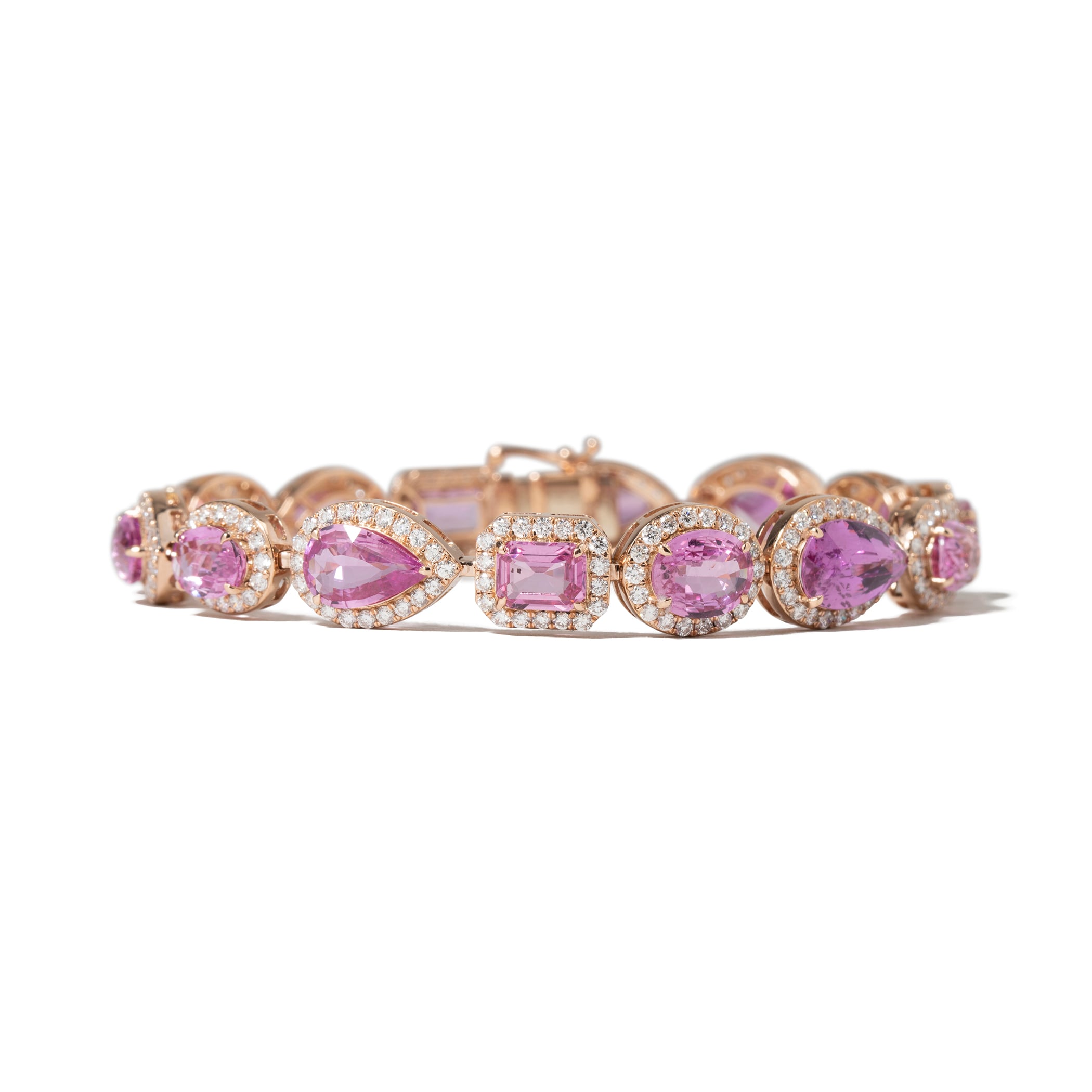
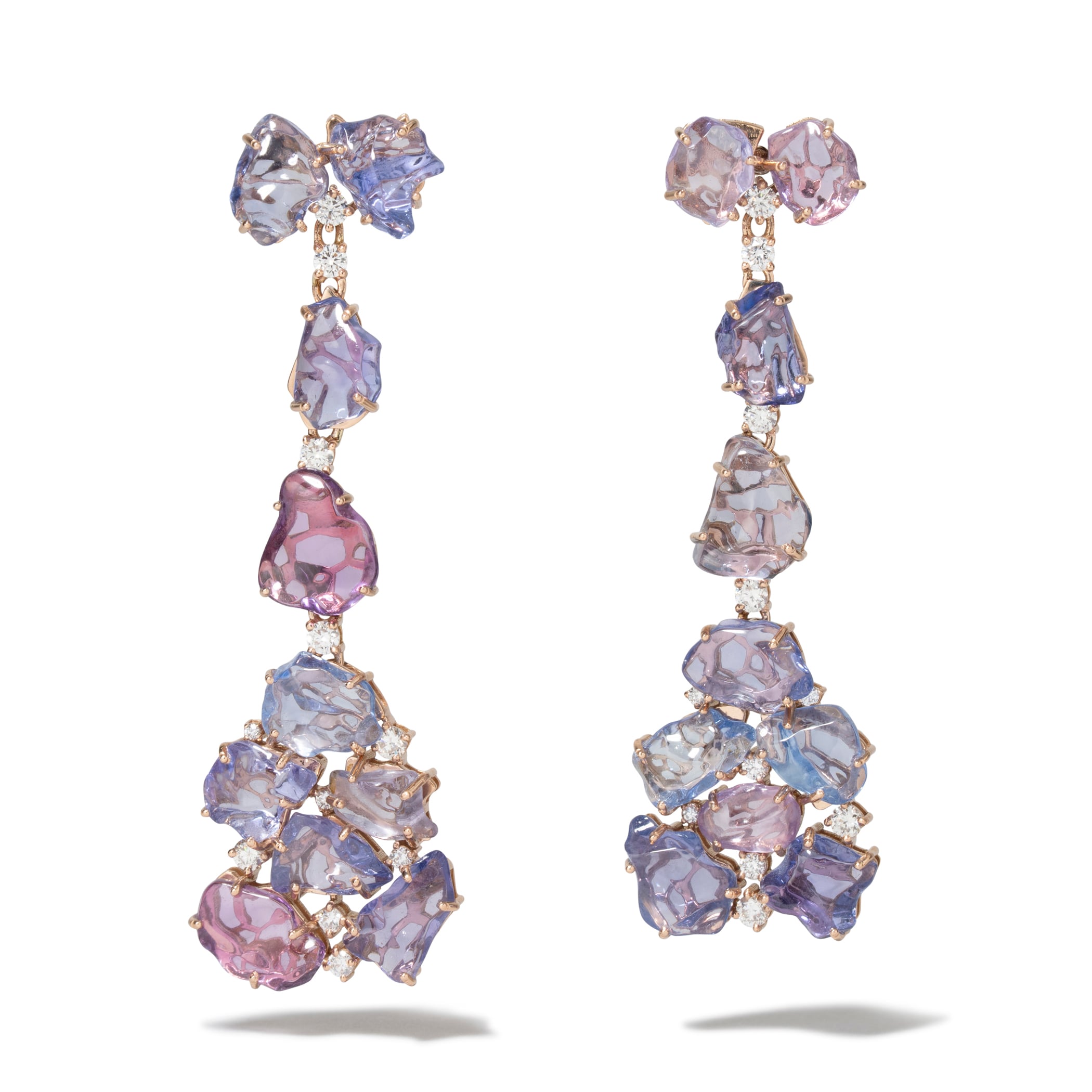
Blue may dominate sapphire's public image, but corundum occurs in an extraordinary range of colors. These non-blue varieties are collectively known as fancy sapphires, and certain colors can be exceptionally rare and desirable.
The Padparadscha (The Sunset Gem)
Among fancy sapphires, padparadscha occupies its own category. Its name derives from a Sinhalese term associated with the lotus blossom, reflecting its distinctive blend of pink and orange. The finest examples balance the two colors in delicate salmon, peach, and sunset-like hues.
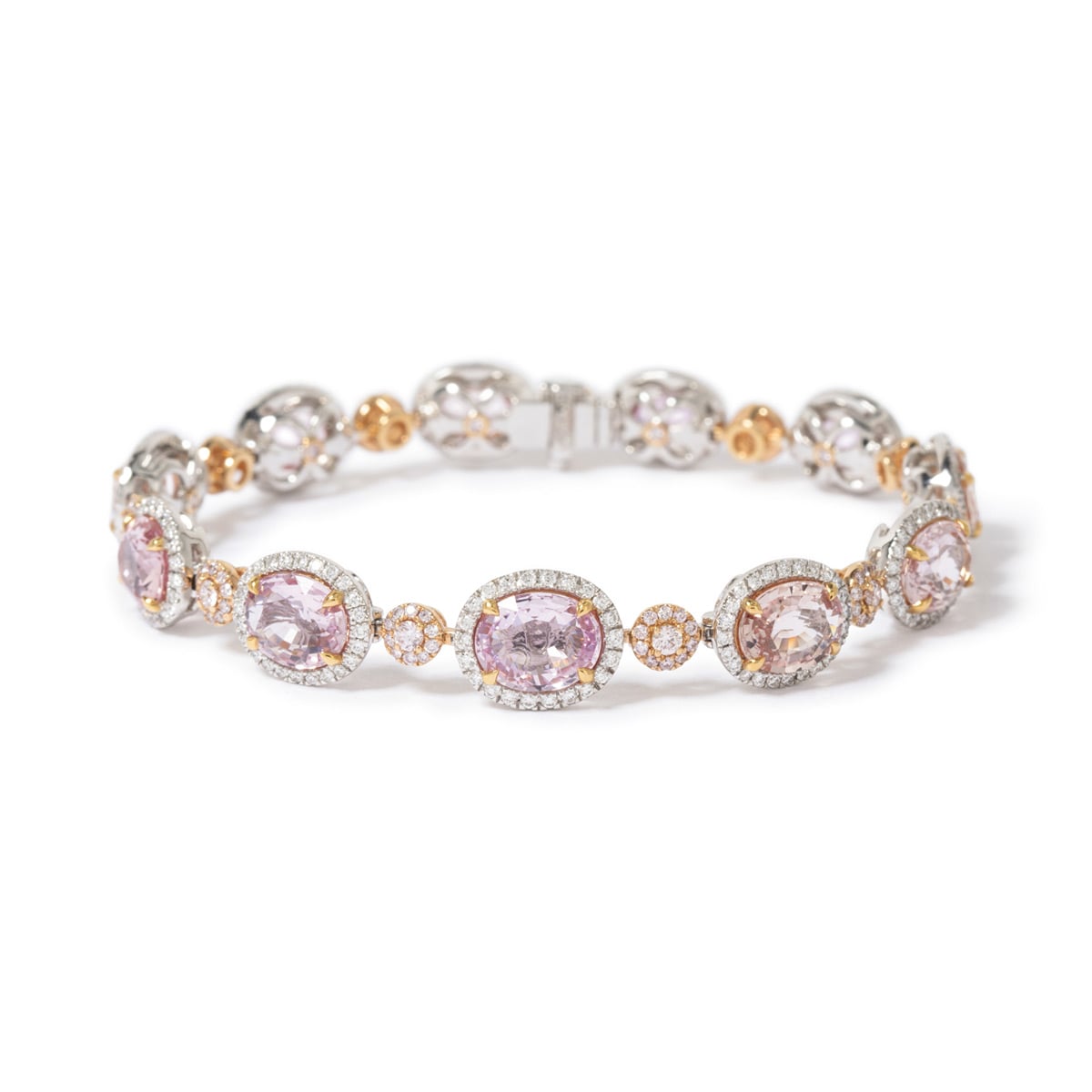
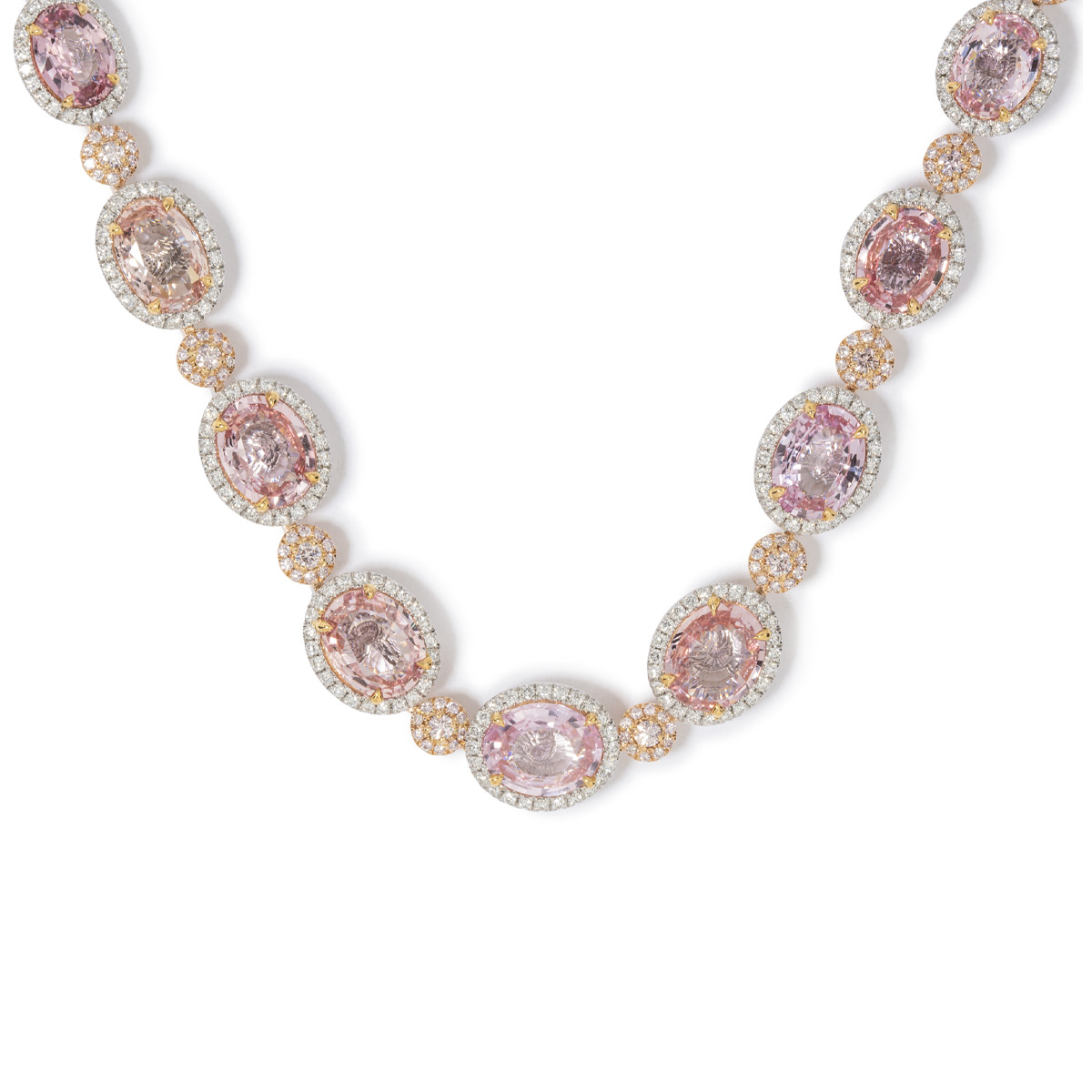
Natural padparadscha sapphires are exceptionally rare, particularly with attractive color and no evidence of treatment. Because gemological laboratories define the designation carefully, professional identification matters. An unusual peach or pink-orange sapphire in a piece may prove to be a considerably rarer gemstone than its owner realizes.
Pink & Violet Sapphires
Pink sapphires derive much of their color from chromium, the same trace element responsible for ruby's red. They range from delicate pastels to vivid hot pink, while violet sapphires display cooler purple and lavender tones. As color becomes more intensely red, the distinction between pink sapphire and ruby can become nuanced, making gemological evaluation important for significant stones.
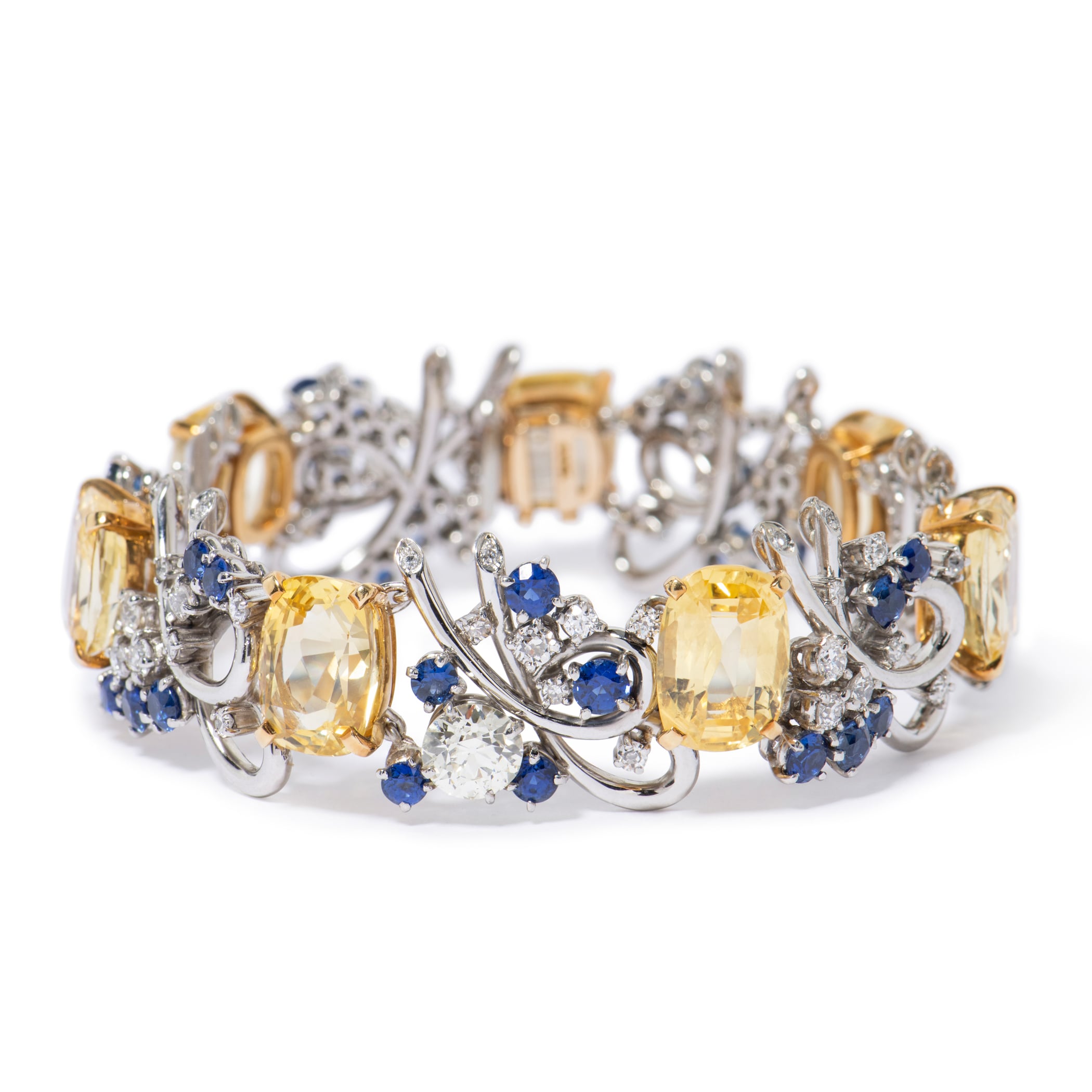
Yellow Sapphires
Iron contributes to the color of natural yellow sapphires, which range from pale lemon and buttery yellow to rich golden hues. Found in both antique and contemporary jewelry, their estate-market desirability can depend not only on the gemstone's quality, but also on treatment status, age, setting, provenance, and maker.
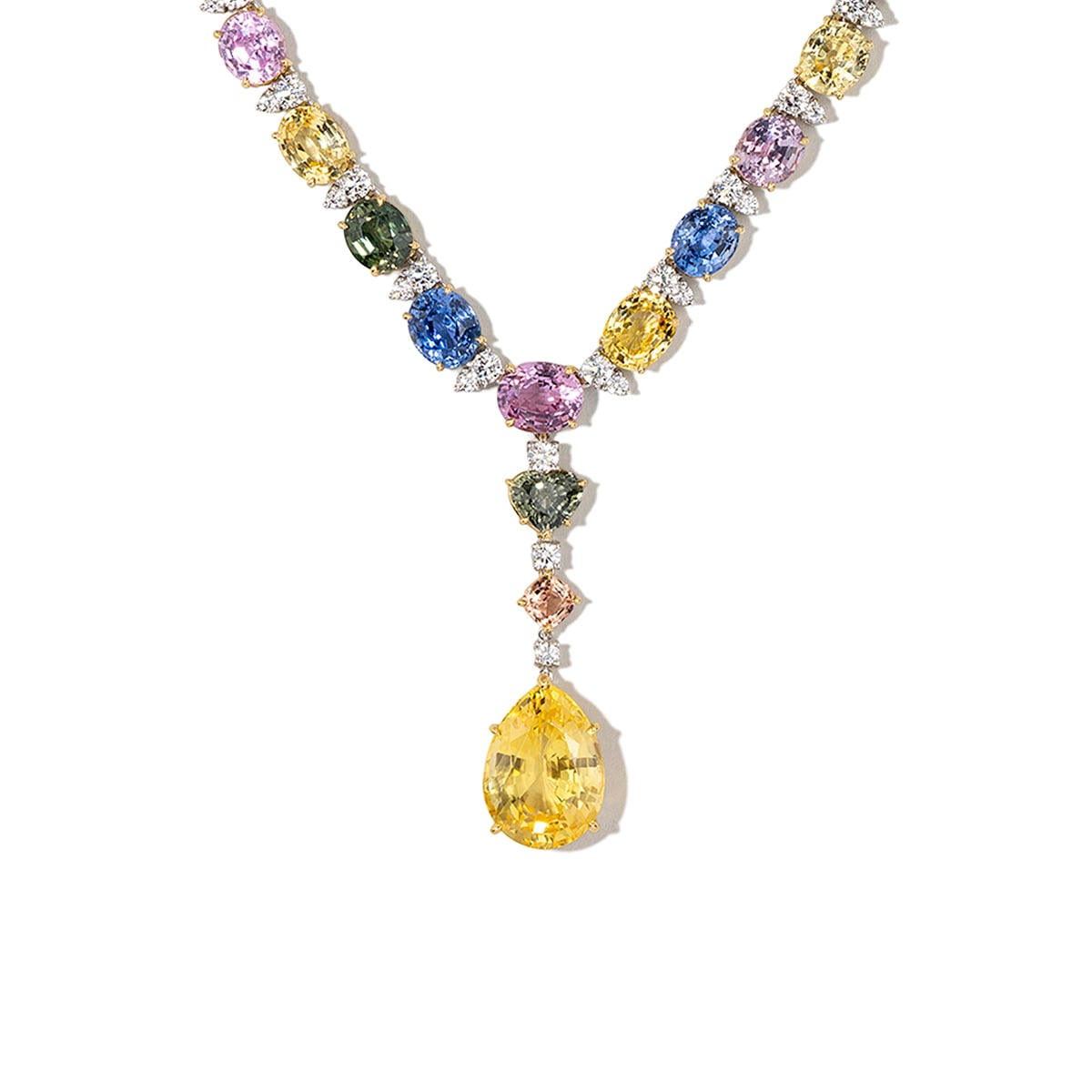
Teal, Green, & White Sapphires
Sapphire's spectrum also includes green and blue-green teal sapphires, as well as parti-colored sapphires displaying two or more distinct colors, such as blue and green or blue and yellow.
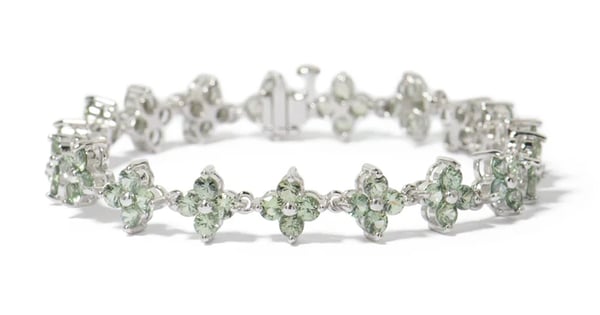
Colorless or white sapphire is corundum with little or no color-producing trace elements and was historically used as a diamond substitute or accent. Together, these varieties reinforce an important point for jewelry owners: not every potentially significant sapphire is blue.
Historic Benchmarks: Legendary Sapphires at Auction
At the highest levels of the international auction market, exceptional sapphires set records and demonstrate how dramatically origin, treatment status, color, quality, size, provenance, and rarity can influence value.
The Blue Belle of Asia (Ceylon, 392.52 Carats)
The Blue Belle of Asia is one of the most celebrated Ceylon sapphires ever offered at auction. Weighing an extraordinary 392.52 carats, the cushion-cut sapphire was mounted as the centerpiece of a diamond necklace.
When Christie's Geneva offered it in November 2014, the Blue Belle sold for about $17.3 million, setting a world auction record for a sapphire at the time.
Beyond its remarkable sale price, the stone shows one of the defining characteristics of Sri Lanka's historic deposits: the ability to produce gem-quality sapphire crystals of extraordinary size.
The Regent Kashmir (Kashmir, 35.09 Carats)
The Regent Kashmir offers a very different lesson in sapphire rarity. At 35.09 carats, the cushion-shaped sapphire is dramatically smaller than the Blue Belle of Asia, yet its Kashmir origin placed it within one of the most coveted categories in the colored-gem market.
In May 2025, the Regent Kashmir sold at Christie's Hong Kong for approximately $9.5 million, achieving about $271,515 per carat and establishing a world auction record for the highest price per carat paid for a sapphire at the time.
The result shows the extraordinary premium collectors can place on historic Kashmir origin when combined with exceptional quality and rarity. In the sapphire market, geographic origin can sometimes matter as much as sheer size.
The Royal Blue Necklace (Kashmir, 104.61 Carats Total)
In November 2025, another remarkable group of Kashmir sapphires appeared at Christie's Hong Kong in The Royal Blue, a necklace featuring 16 antique cushion-cut Kashmir sapphires totaling 104.61 carats.
The individual sapphires ranged from 3.43 to 13.37 carats and were accompanied by laboratory documentation supporting their Kashmir origin and lack of heat treatment. Creating a suite of Kashmir sapphires with such consistency in color, quality, and appearance is itself an extraordinary rarity.
The necklace sold for approximately $16.2 million, setting an auction record for a Kashmir sapphire necklace. Its importance goes beyond the value of any single stone. The Royal Blue demonstrates how rarity can multiply when exceptional gemstones are successfully matched into a cohesive historic jewel.
The Maharaja Blue (Ceylon, 64.32 Carats)
The Maharaja Blue, an exceptional 64.32-carat Ceylon sapphire mounted in a pendant-brooch designed by Asprey, demonstrates the remarkable quality and prestige associated with fine Sri Lankan sapphires.
Laboratory analysis identified the stone as Ceylon origin with no indications of heating. In May 2025, Sotheby's sold the jewel for CHF 495,300, approximately $593,000.
The Maharaja Blue illustrates how several characteristics can work together in an important estate jewel. Its substantial size, desirable blue color, unheated status, Ceylon origin, and Asprey mounting each contributed to the piece's identity.
The Windsor Jewelers, Inc. Perspective
For someone considering selling an important sapphire, identifying the gemstone is only the beginning. Understanding how its characteristics translate into secondary-market value requires experienced evaluation.
Beyond the Gem Report
Reports from respected laboratories such as GIA, Gübelin, and SSEF can provide critical information about a sapphire, including geographic origin and treatment status. What they do not provide is a valuation. No monetary value is listed or implied. Two unheated sapphires from the same origin can have very different values based on color, size, transparency, cut, condition, provenance, and market demand.
For estate jewelry, the age, setting, and maker can also significantly influence the value of the complete piece.
Evaluating Unheated Gems
Assessing a fine sapphire requires expertise beyond reading a laboratory report. An experienced evaluation considers the stone's characteristics and documentation, along with historical mounting signatures, craftsmanship, provenance, and current secondary-market demand.
Ultimately, identifying what a sapphire is must be paired with understanding what collectors are willing to pay for it in today's market.
The Auction Alternative
Auction results provide valuable benchmarks for exceptional sapphires, but owners do not have to sell at auction. A private sale through Windsor Jewelers, Inc. can offer immediate liquidity and discretion without waiting through the auction, cataloging, marketing, and sale process.
Conclusion
Sapphires have long held an important place in estate jewelry, appearing in everything from antique rings and brooches to signed pieces by renowned jewelry houses. From the velvety blues of Kashmir and saturated stones of Burma to luminous Ceylon sapphires and rare fancy colors, each stone can carry a unique combination of origin, age, treatment history, provenance, and craftsmanship.
Historic auction results reveal the strong demand for exceptional sapphires, but an inherited or long-held stone may warrant careful evaluation, especially if it appears in an important period or signed setting.
Whether you are holding a rare padparadscha or a historic Kashmir sapphire, understanding its origin and treatment is key to preserving its legacy and maximizing its value when it is time to sell.
If you are considering selling a sapphire ring, necklace, brooch, bracelet, or loose gemstone, contact Windsor Jewelers, Inc. for an expert evaluation and a private, discreet path to selling your prized estate jewelry.