
.svg)
Long before diamonds became symbols of wealth and status, kings and emperors coveted the ruby for its fiery, internal red glow, for few gemstones possess the visual intensity of a fine ruby. Ancient Sanskrit tradition called ruby ratnaraj, or the “king of precious stones,” an appropriate title for a gem that seems to glow from within.
Ruby is the red variety of corundum, with its color produced by chromium. In marble-hosted deposits, low iron content allows chromium-induced fluorescence to shine through, intensifying the stone’s red, even under the ultraviolet rays of the sun.
This phenomenon helps explain why the finest rubies can appear almost internally illuminated. For centuries, one source has represented the pinnacle of that effect: the legendary ruby deposits of Upper Burma, now Myanmar. While extraordinary stones are found elsewhere, Burmese ruby remains a historic benchmark against which other origins are often compared.
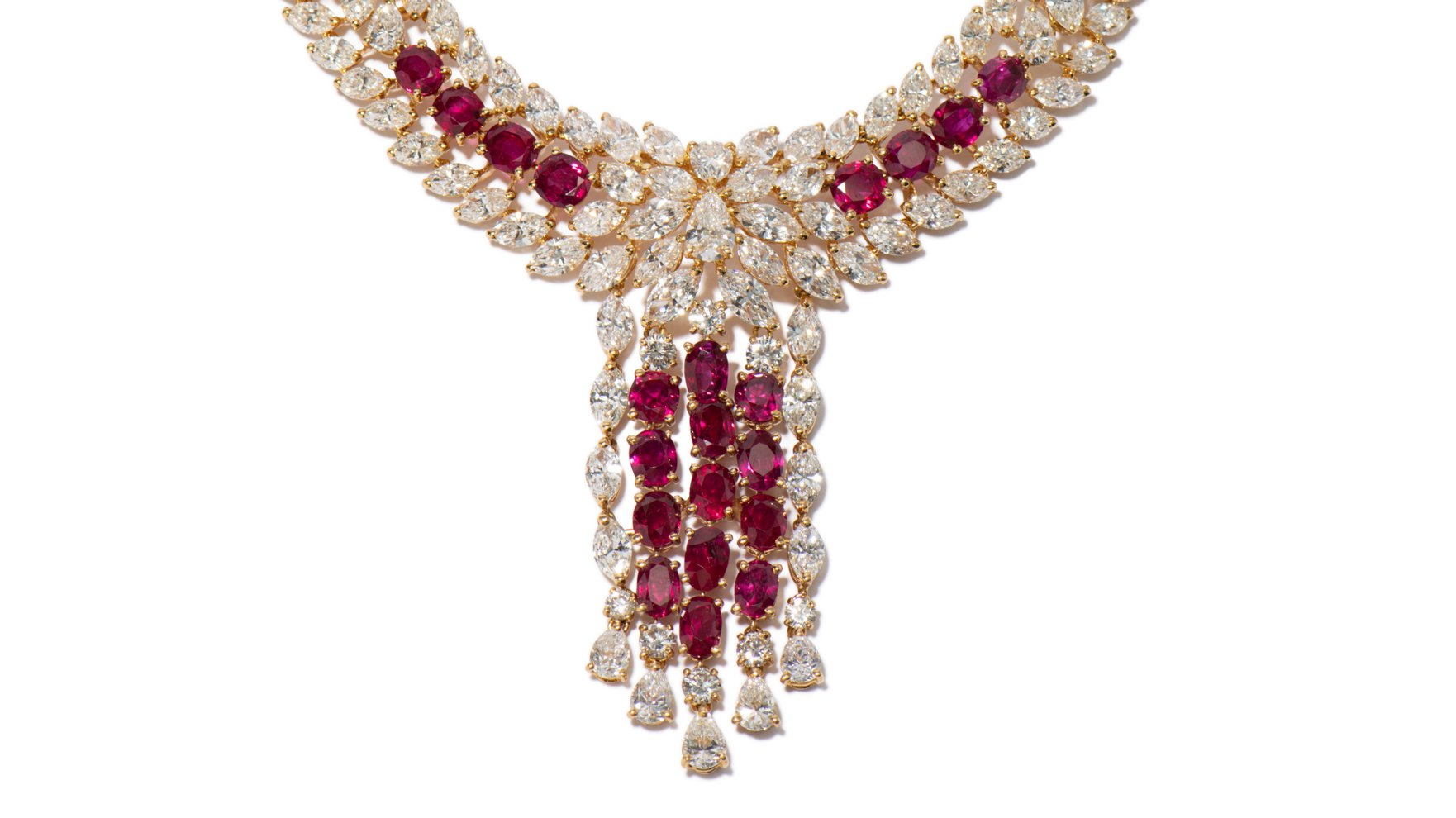
The Naming Nuance: "Burma" vs. "Myanmar"
In 1989, the country’s military government officially changed the English-language name from Burma to Myanmar. Yet in the jewelry world, the term “Burmese ruby” remains deeply embedded in the vocabulary of collectors, dealers, auction houses, and estate jewelry specialists.
“Burmese” carries centuries of provenance and prestige, particularly in connection with the famed “Mogok Valley”, whose marble-hosted deposits have produced some of history’s most celebrated rubies. Gemological laboratories (GIA, SSEF, Gübelin) may use “Myanmar” when identifying a stone's geographic origin, while auction catalogs and the trade frequently retain “Burmese” as the familiar historical term.
Myanmar has two particularly important ruby-producing regions: Mogok and Mong Hsu. The Mogok Valley, often called the ‘Valley of Rubies,’ and Mong Hsu both helped establish Myanmar’s reputation as the international benchmark for exceptional red ruby.
The Global Spectrum: Origins & Typologies
Burmese (Myanmar) Ruby: The Benchmark
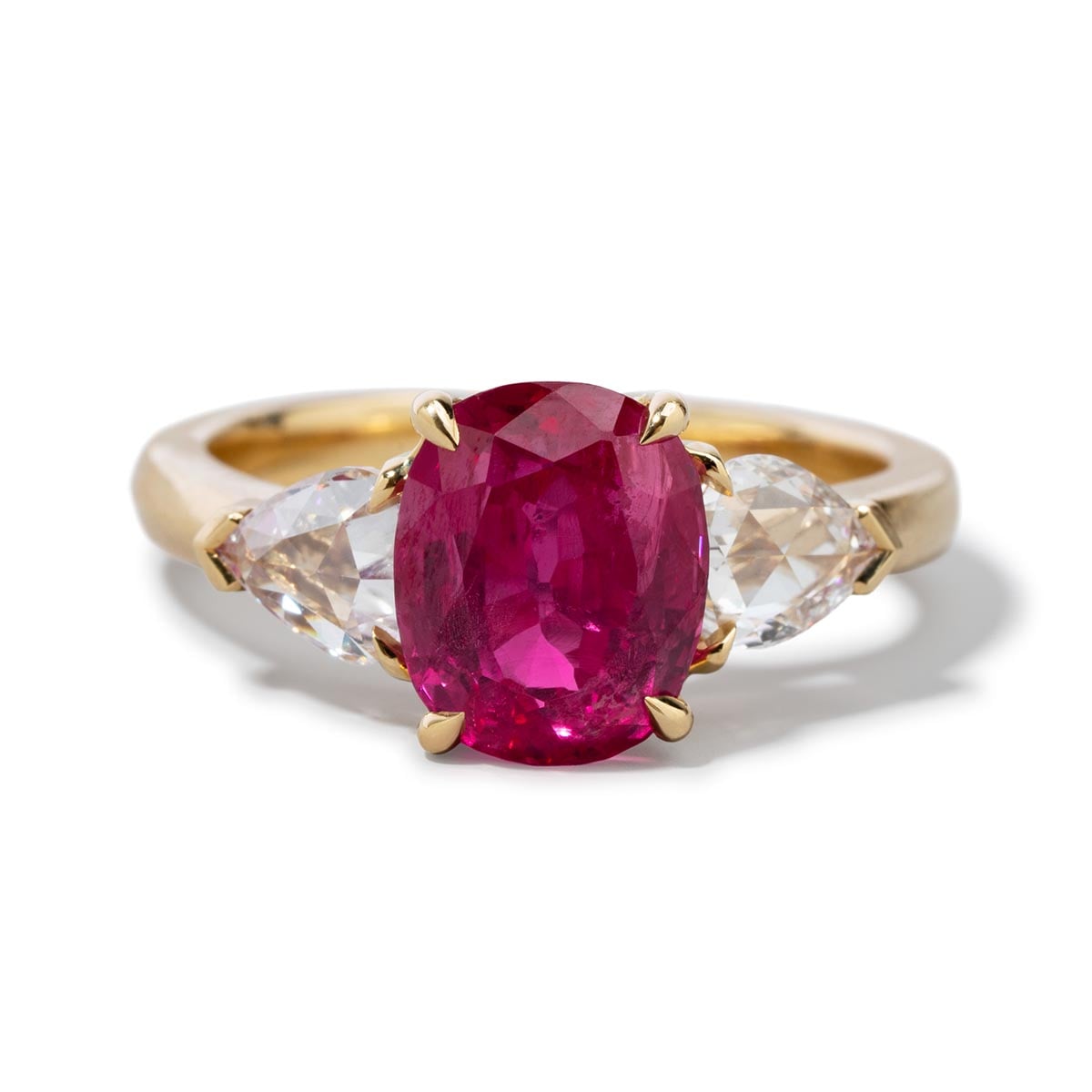
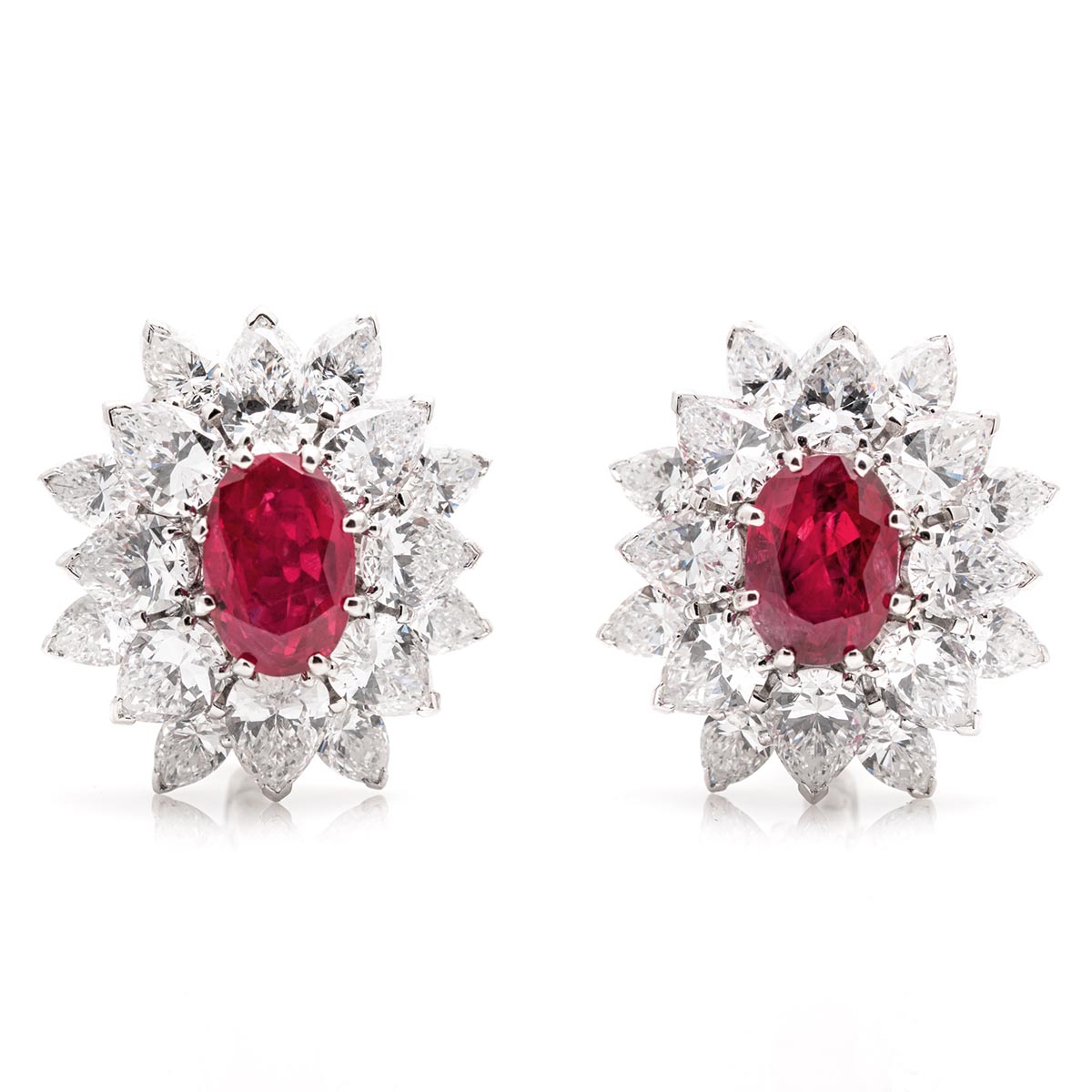
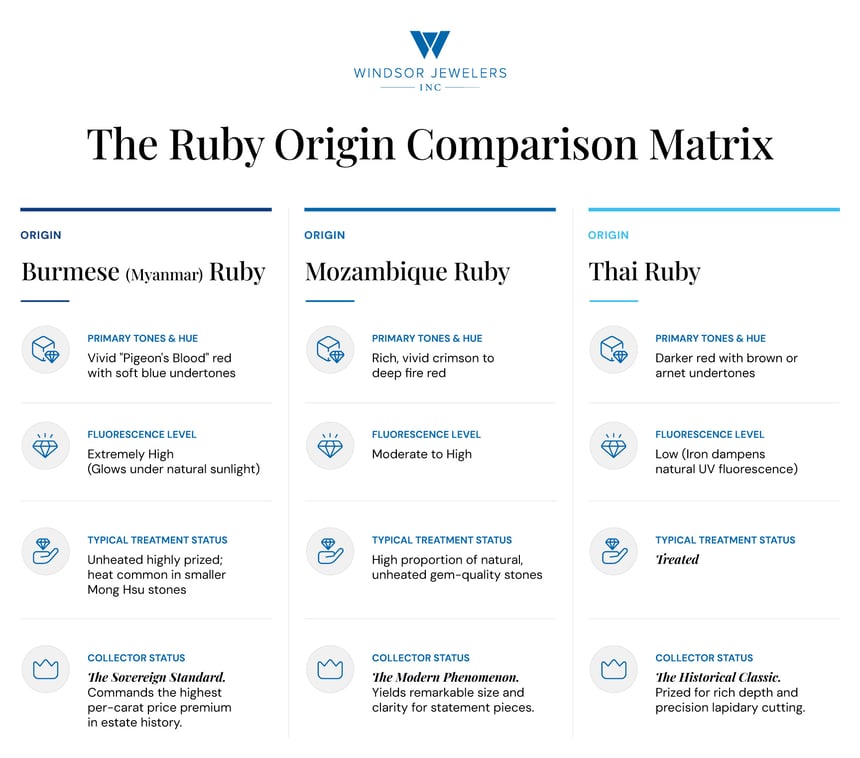
The most celebrated Burmese rubies can exhibit a vivid, saturated red sometimes described in the trade as “Pigeon’s Blood.” Low iron concentrations in marble-hosted material allow strong red fluorescence, which can give exceptional stones their characteristic glow.
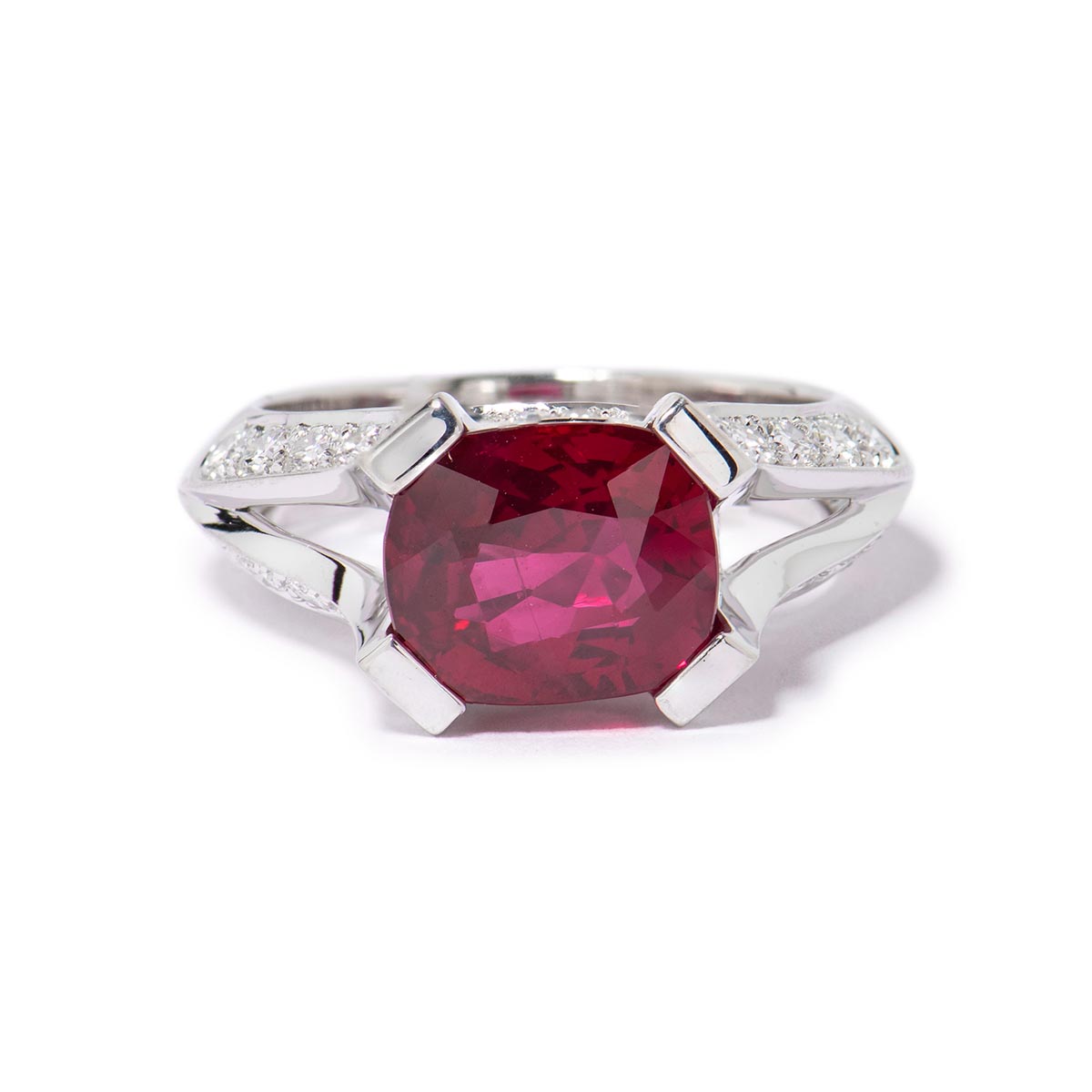
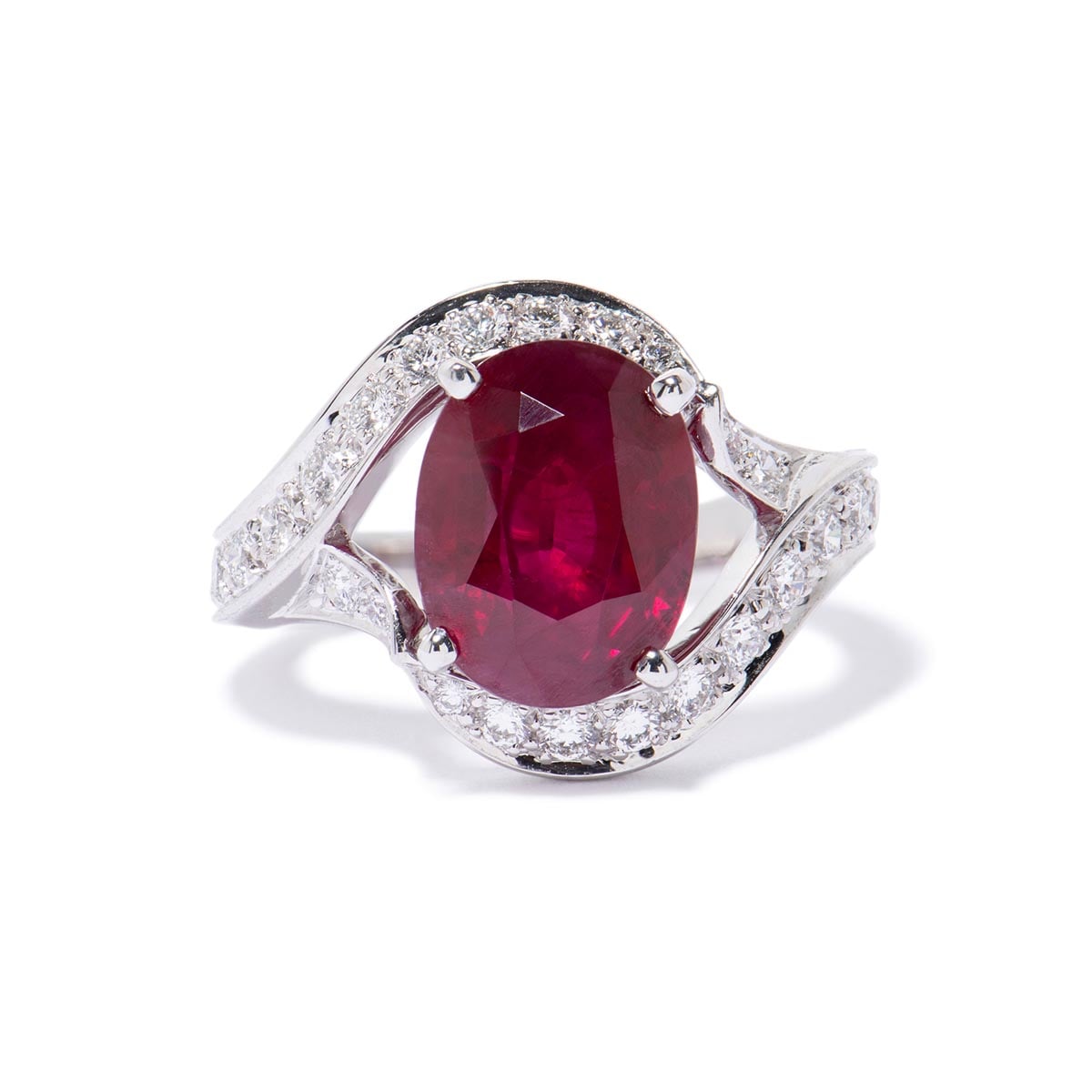
Fine Burmese rubies are scarce at significant sizes, particularly when they combine exceptional color, transparency, reduced inclusions, and no evidence of heat treatment. Untreated, eye-clean Burmese rubies exceeding 3 carats are exceptionally rare and can command extraordinary premiums in the collector and auction markets.
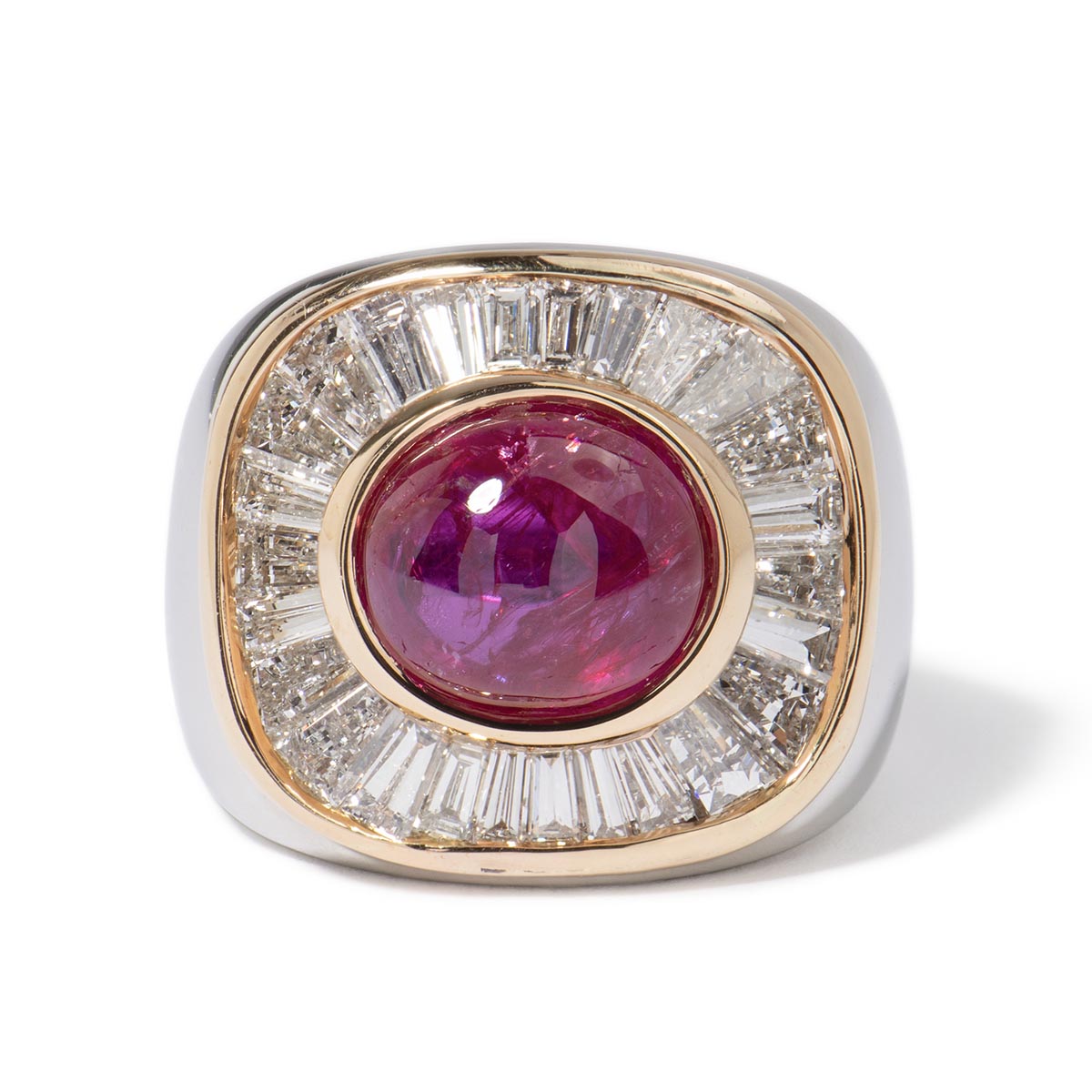
Mozambique Ruby: The Modern Titan
Mozambique dramatically altered the international ruby market following major discoveries near Montepuez in 2009. In less than a decade, the region became the world's most productive source of gem-quality ruby.
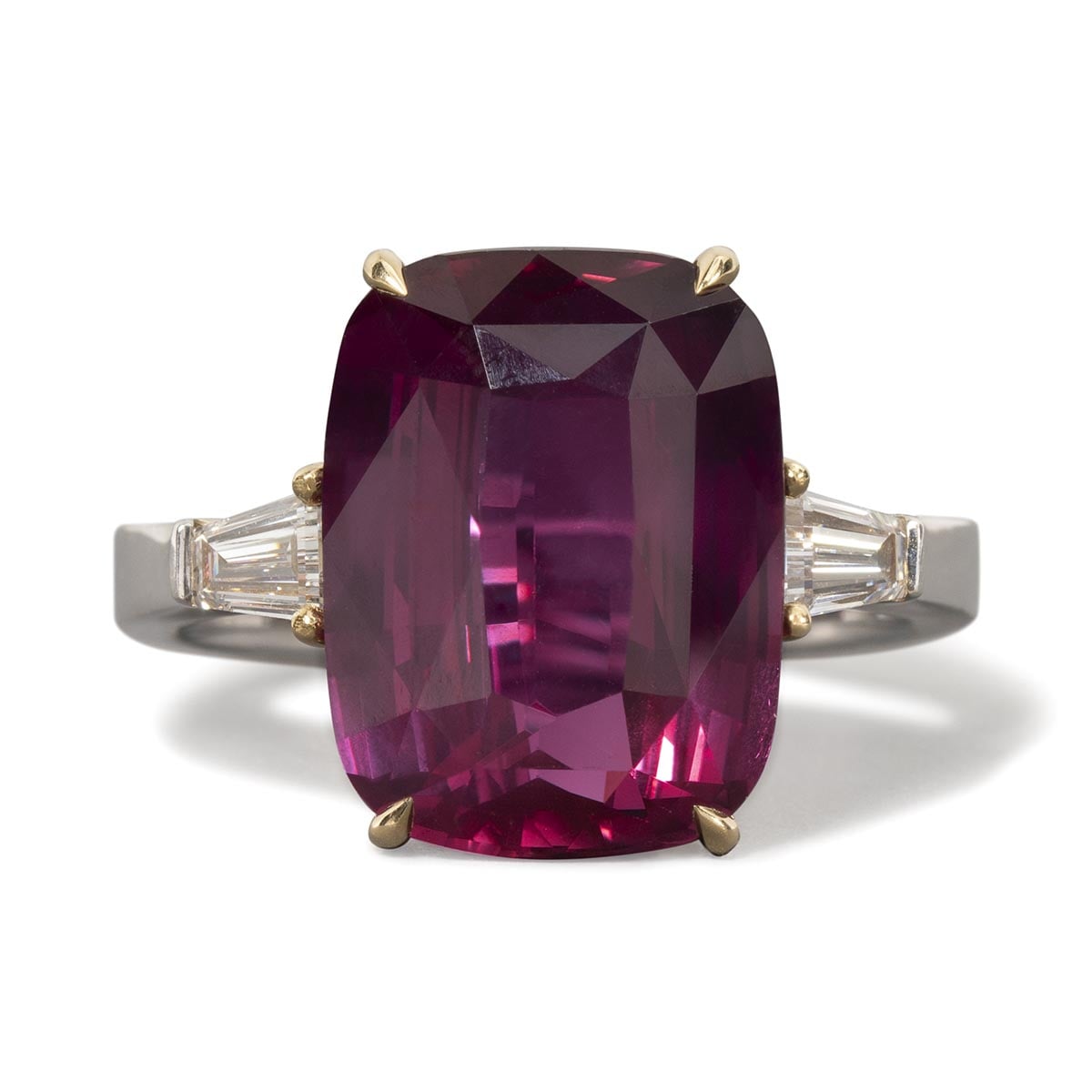
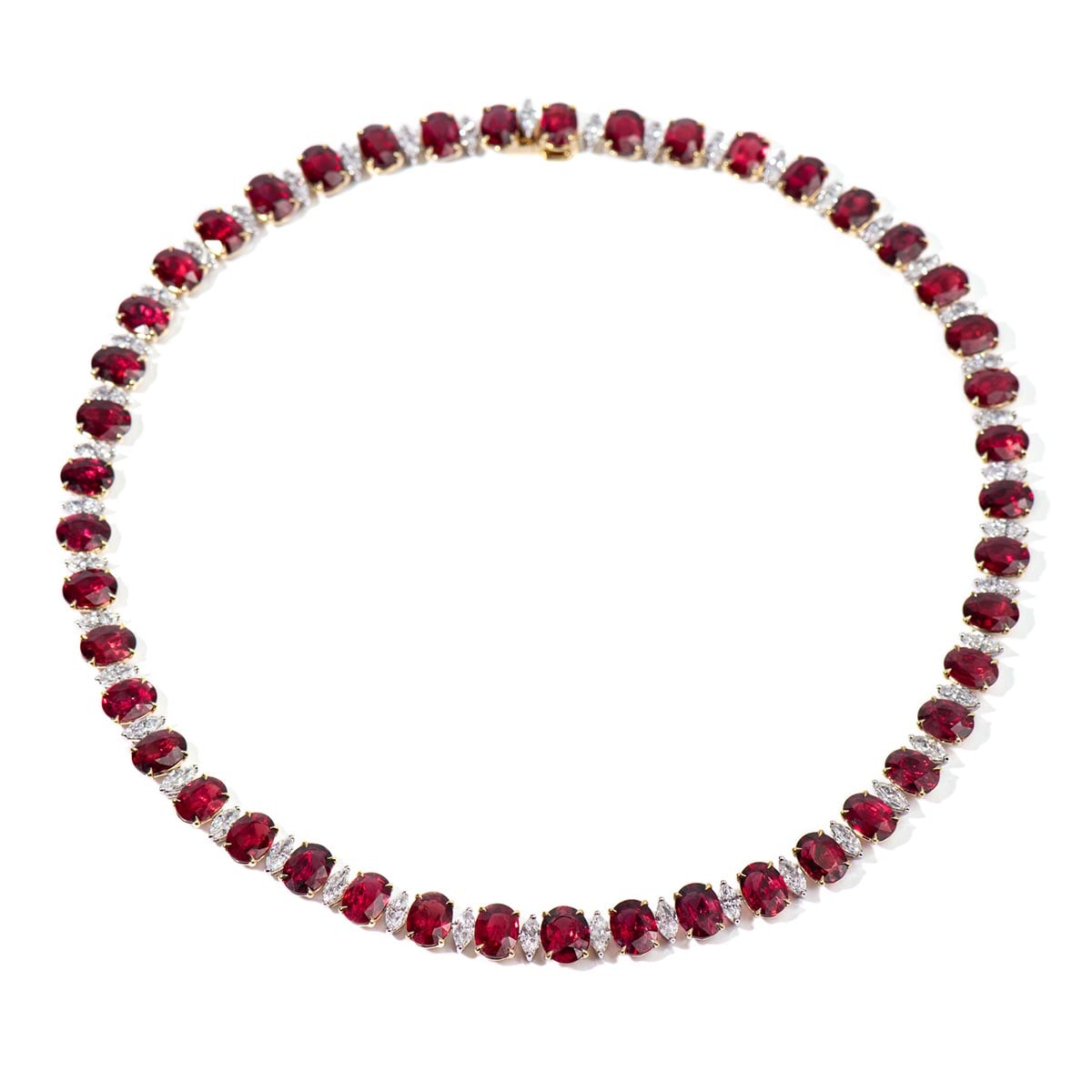
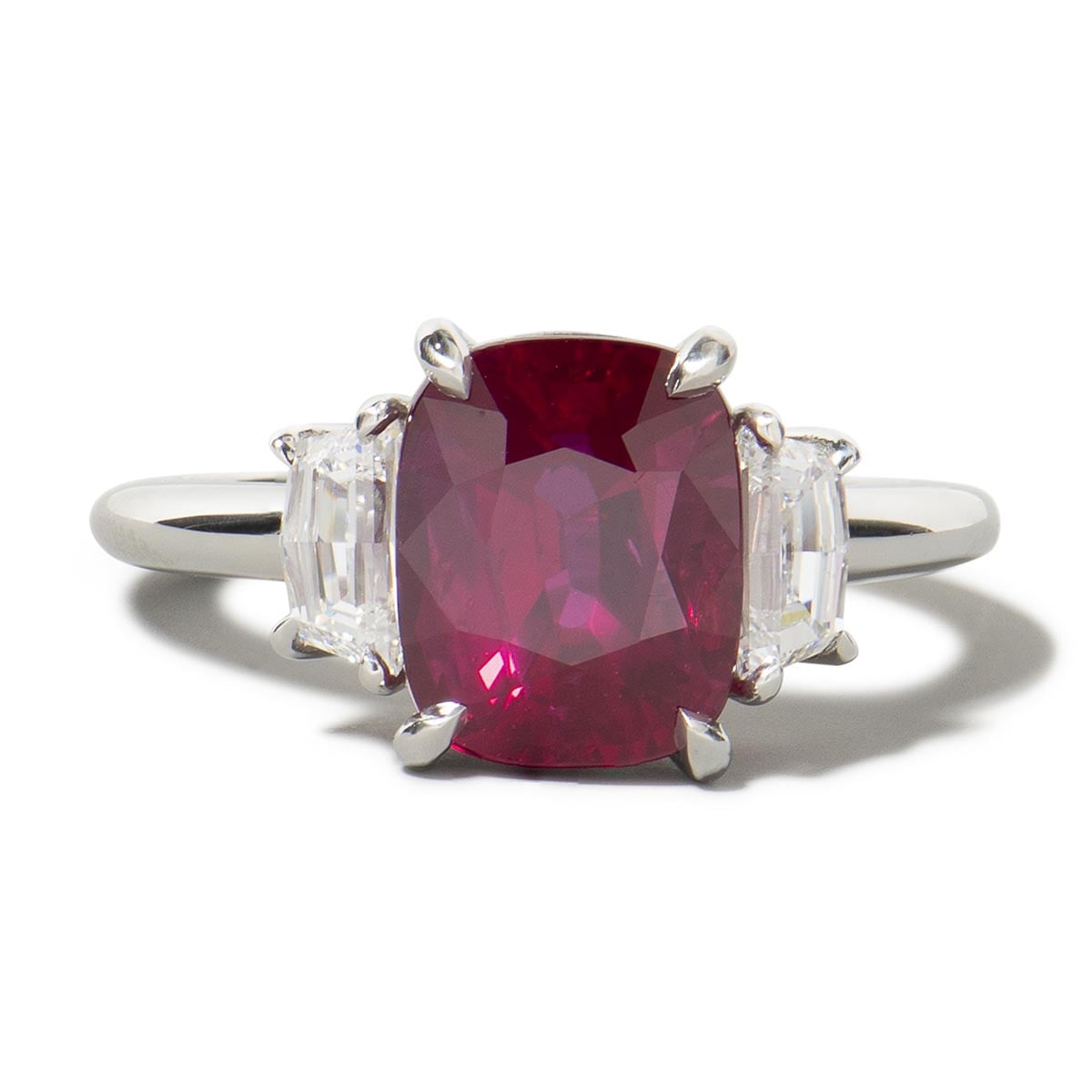
Mozambique material spans a wide range of appearances and quality levels, but its finest stones can offer superb red color, transparency, and impressive size. Some require heat or clarity enhancement, while a smaller percentage of exceptional material can be fashioned without treatment. This combination of quality and supply has made Mozambique the great modern counterpart to the historically dominant Burmese ruby.
.jpg?width=590&height=393&name=NERD-114524%20(1).jpg)
Thai Ruby: The Historical Classic
Thailand’s famous ruby deposits differ geologically from the marble-hosted deposits associated with Mogok. Thai rubies occur in basalt-related environments and typically contain considerably more iron. That iron suppresses fluorescence and can produce darker purplish, brownish, or garnet-like red tones.
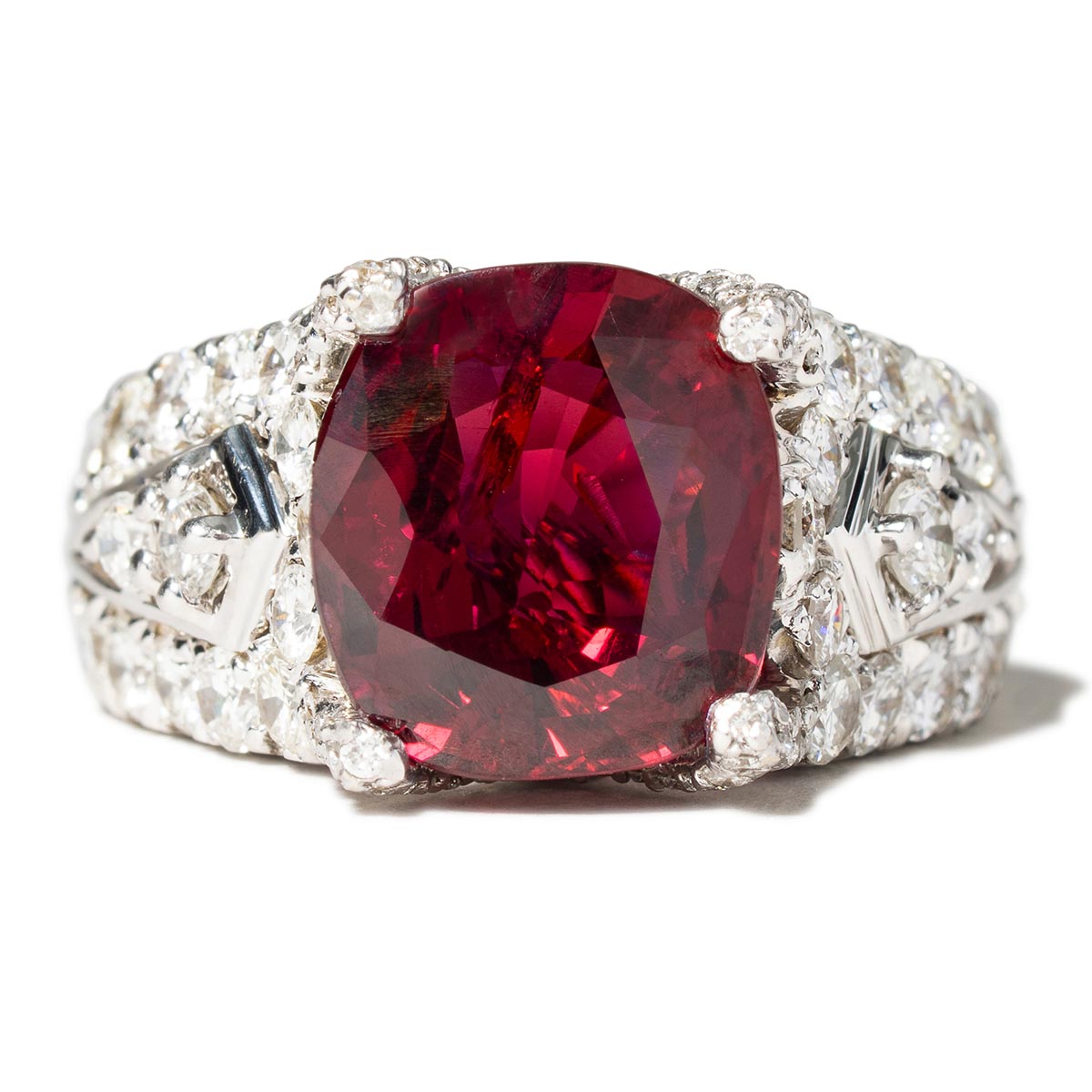
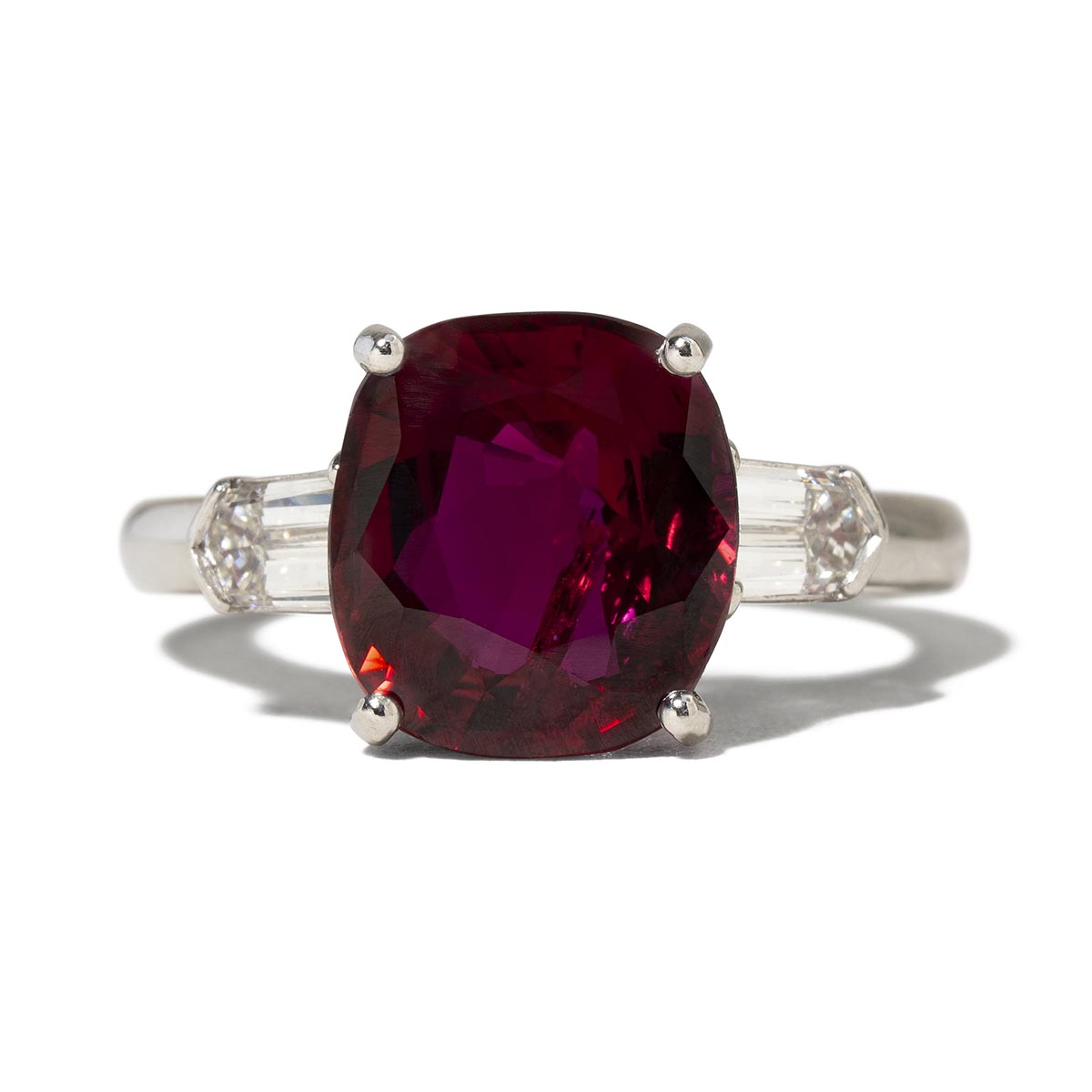
Heat treatment has historically played an important role in Thai ruby, helping reduce undesirable purple or brown aspects and improve the finished stone’s appearance.
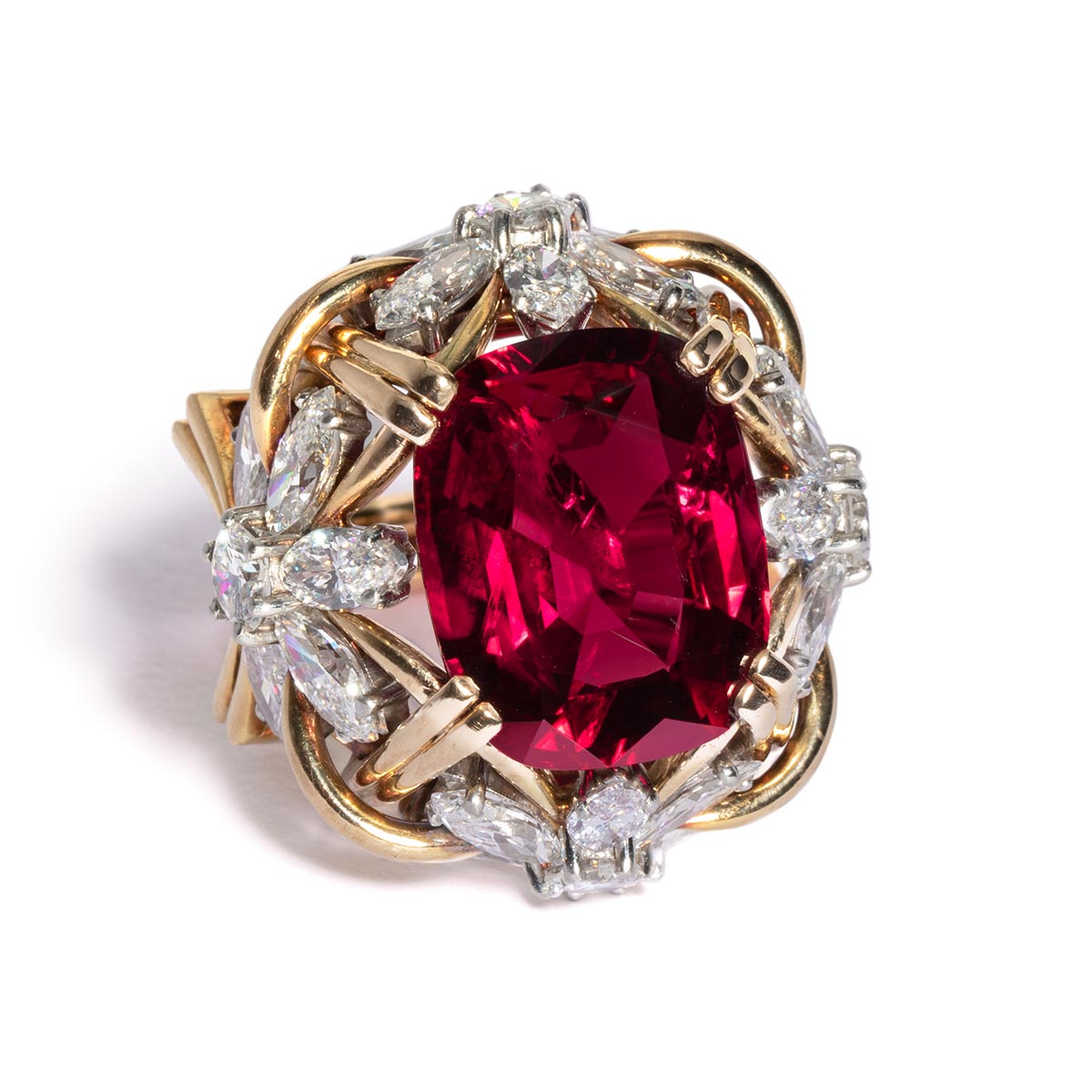
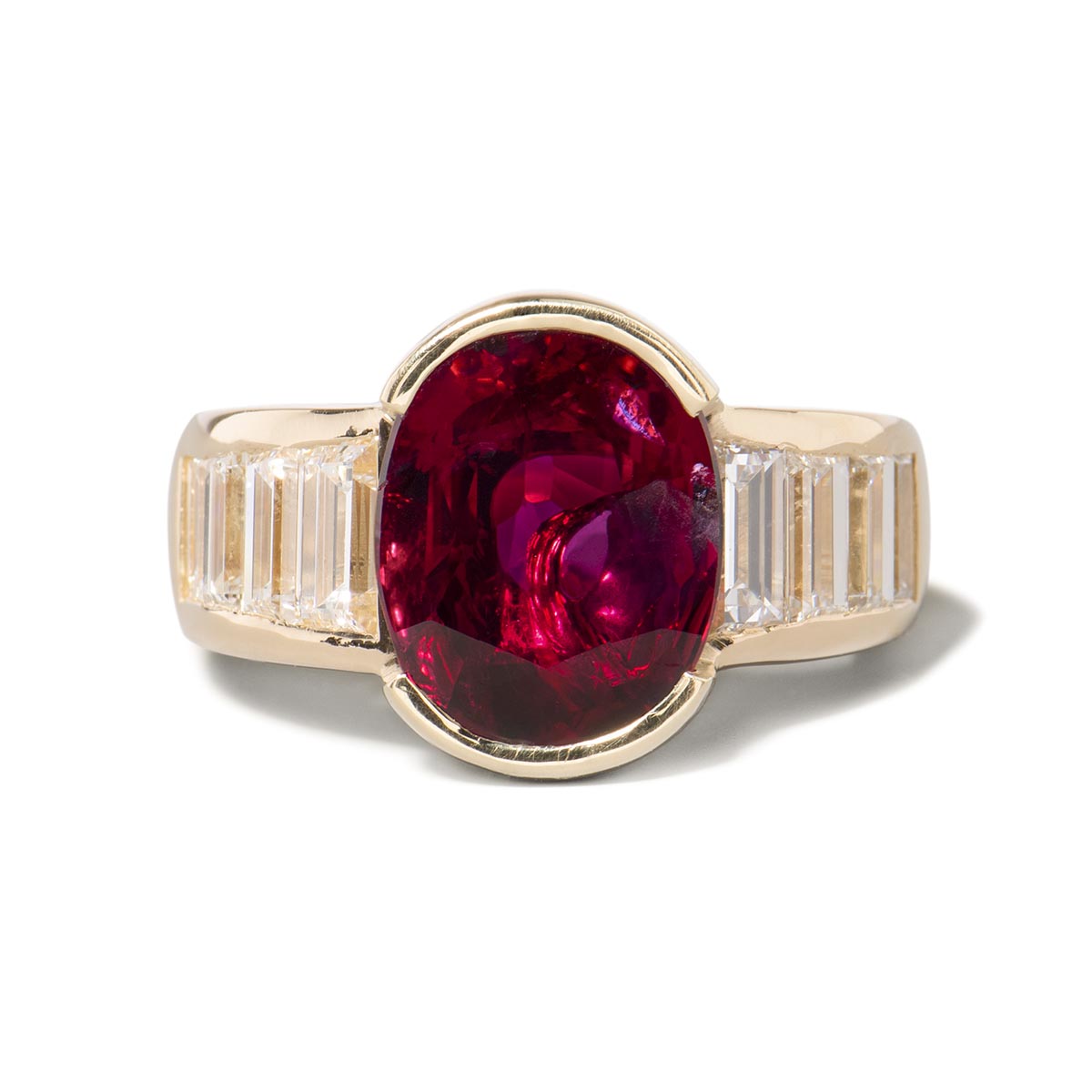
Thai rubies have long held an important place in the global gemstone market, particularly during periods when political restrictions limited access to Burmese material. Their naturally darker color and brownish undertones often benefited from skilled heat treatment to improve their appearance, while expert lapidary cutting helped maximize light return and bring out their rich red tones. More readily available than the most coveted Burmese stones, Thai rubies offered buyers an accessible luxury alternative and became a significant part of the international ruby trade throughout the 20th century.
The Ruby Origin Comparison Matrix
Famous Historical Rubies: Crown Jewels & Iconic Suites
The Carmen Lúcia Ruby (23.10 carats)
Few stones demonstrate Burmese ruby's reputation better than the Carmen Lúcia Ruby, housed at the Smithsonian’s National Museum of Natural History. Mined in Burma's Mogok region in the 1930s, the 23.10-carat stone combines richly saturated red color with exceptional transparency and is one of the finest large faceted Burmese rubies known.
The Burmese Ruby Tiara (Queen Elizabeth II)
Royal collections provide another extraordinary example. Queen Elizabeth II's Burmese Ruby Tiara, commissioned from Garrard in 1973, incorporates 96 rubies originally given to the Queen as a wedding gift by the people of Burma. According to the tradition surrounding the gift, the number represented the illnesses the Burmese people believed could afflict the human body, giving the rubies a symbolic protective role.
Elizabeth Taylor's Cartier Ruby Suite
Elizabeth Taylor’s legendary collection also included an exceptional 8.24-carat unheated Burmese ruby ring by Van Cleef & Arpels. Richard Burton gave Taylor the ring for Christmas in 1968, and its later appearance at Christie’s became one of the celebrated moments of the 2011 sale of her jewelry collection, fetching $4.2 million. This amount crushed the previous record-breaking sale by $3 million, establishing a landmark moment for signed estate rubies.
Shattering Records: Rubies at Auction
Ruby’s desirability becomes particularly visible when exceptional specimens reach the auction block.
The Sunrise Ruby ($30.42 Million - Sotheby's Geneva, 2015)
The 25.59-carat Sunrise Ruby made history at Sotheby’s Geneva in 2015. Burmese “Pigeon’s Blood” ruby, mounted by Cartier, sold for approximately $30.3 million, or roughly $1.18 million per carat. Its extraordinary per-carat result remains one of the defining benchmarks for ruby at auction.
The Jubilee Ruby ($14.16 Million - Christie's New York, 2016)
A year later, the Jubilee Ruby validated the American appetite for Burmese material. The 15.99-carat unheated Burmese ruby, mounted in a gold and platinum ring by Verdura, achieved $14.165 million at Christie’s New York in 2016.
Estrela de FURA ($34.8 Million - Sotheby's New York, 2023)
Then, Mozambique changed the record books. In 2023, the 55.22-carat Estrela de FURA sold for $34.8 million at Sotheby’s New York, setting a new world auction record for a ruby. The result was significant not only for its price, but for what it represented: an exceptional African ruby had entered territory once dominated by historic Burmese stones.
The Windsor Jewelers, Inc. Perspective
Beyond the certificate
For an important estate ruby, an independent laboratory report can provide essential information. Respected laboratories such as GIA, SSEF, and Gübelin may evaluate geographic origin and determine whether there is evidence of treatment, information that can have a substantial effect on the market for an exceptional stone.
But a certificate is only part of the story.
It cannot fully communicate how a ruby performs in person: its proportions, transparency, internal silk, saturation, or the way it responds as light moves across the stone. Two rubies with similar laboratory descriptions can present very differently to an experienced eye.
The value of experience
That distinction makes knowledge and experience particularly important when evaluating estate jewelry. Windsor Jewelers, Inc. understands that a ruby must be considered as a complete object, not simply as a carat weight and country of origin. Treatment, color, clarity, cut, provenance, mounting, period, and maker can all contribute to how an estate ruby is understood and valued.
For owners interested in learning more about how rarity and gemological characteristics influence value, Windsor’s guides to colored diamonds and the world’s favorite gemstones offer additional insight into the qualities specialists consider when evaluating exceptional stones.
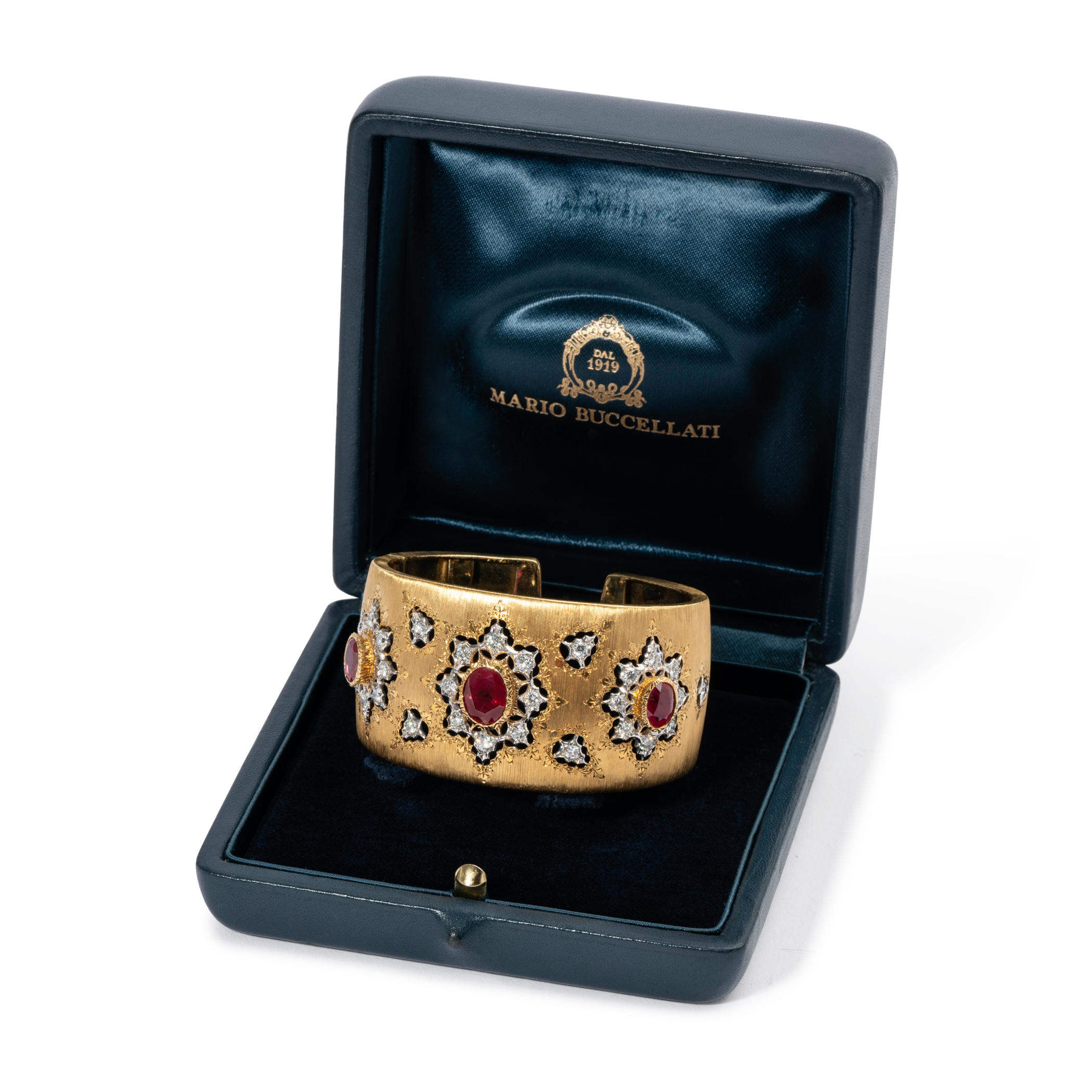
The Enduring Power of Ruby
The ruby has captivated collectors and high-end jewelry enthusiasts for centuries, commanding admiration in ancient Mogok, adorning royal collections and achieving record-breaking prices in the auction rooms of Geneva and New York.
Yet determining what makes an individual estate ruby exceptional requires more than recognizing the color red. Origin, treatment, fluorescence, transparency, size, cut, provenance, and craftsmanship can all influence desirability and value.
If you own an inherited, vintage, or estate ruby and would like to better understand what you have, contact Windsor Jewelers, Inc. Windsor’s knowledge and experience in estate jewelry and important gemstones can help reveal the history, quality, and potential value behind a remarkable ruby.